WASHINGTON, DC — Honda is recalling 810,592 vehicles in the United States because some of their Takata airbag inflators could rupture if they are exposed to moisture and temperature swings over time. The defect can turn a crash into a far more dangerous event, since a failed inflator may send metal fragments into the cabin when the airbag deploys.
The recall is tied to long-running concerns over Takata inflators, which have been at the center of one of the largest automotive safety crises in recent memory. Honda said the latest action follows years of study and analysis, and it was filed with the National Highway Traffic Safety Administration.
Which Honda and Acura models are included in the recall
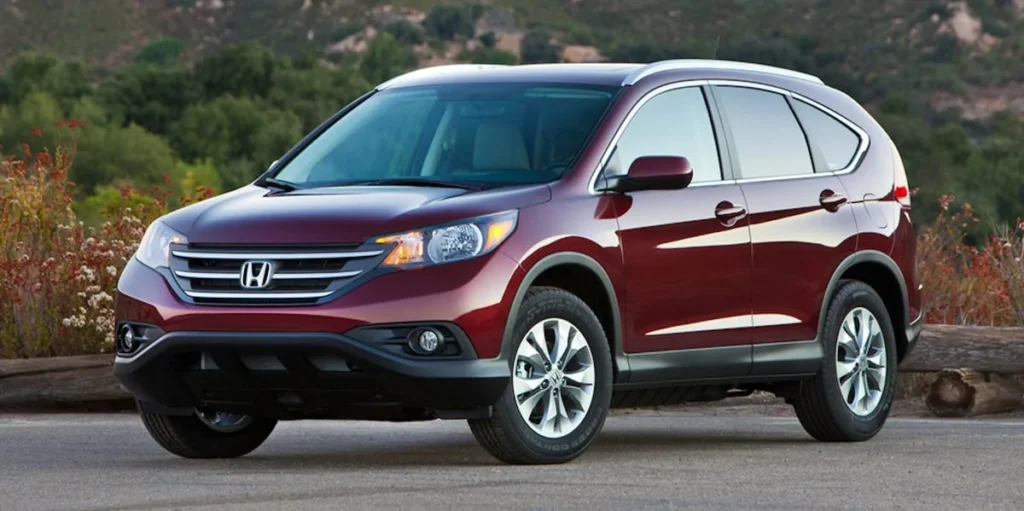
The recalled vehicles include certain 2013 Acura RDX and ILX models, along with selected Honda CR-V, Civic and Accord vehicles from the 2012 and 2013 model years. The Acura and Accord vehicles affected by this campaign are all 2013 models.
The CR-V and Civic population is broader, covering both 2012 and 2013 vehicles. Honda has not said that every vehicle in those model-year groups is included, only specific vehicles equipped with the inflators covered by the campaign.
Owners can check whether their car is part of the recall by using NHTSA’s recall lookup tools or its dedicated Takata airbag recall page.
Why the inflators can fail after years on the road
NHTSA documents say the inflators use a phase-stabilized ammonium nitrate propellant designed to manage moisture inside the unit. That design can still deteriorate over time, especially when the inflator is repeatedly exposed to humidity and shifting temperatures.
As the inflator ages, the housing can become brittle. If the airbag deploys while the component is in that weakened condition, the inflator can break apart and act like a projectile, sending sharp metal fragments through the vehicle interior.
That failure mode is what makes the defect especially serious. A safety device meant to cushion a crash can instead create a direct hazard to drivers and passengers.
Honda’s timeline and the November 19 decision
Honda’s recall documents show the automaker concluded on November 19, 2026, that the risk was serious enough to justify a new safety campaign. The company’s review came after years of investigation and data analysis that had been shared with NHTSA.
The timing matters because these inflators have been under scrutiny for a long time, yet Honda still identified a large number of vehicles needing action. The latest recall suggests the company and regulators are still working through remaining Takata-equipped vehicles on the road.
Even after years of recalls, some affected cars remain in use, which is why the automaker is again taking steps to remove the danger.
How owners will be notified and what the fix will involve
Honda plans to notify owners by mail and tell them to take their vehicles to a Honda or Acura dealership. Dealer technicians will replace the driver and passenger airbag inflators at no cost to the owner.
Dealers have already been informed about the recall. Owner notification letters are scheduled to go out on December 18, giving affected drivers a formal heads-up before service appointments begin in earnest.
Honda says the repair will use a different inflator design, which should remove the risk linked to the recalled Takata components. Owners who suspect their vehicle may be involved are being directed to confirm that through official recall resources before visiting a dealer.
Why Takata airbags keep resurfacing in safety campaigns
Takata’s airbags remain a lingering issue because so many vehicles were built with them over many years. Although the number of affected cars should be shrinking, Honda’s latest recall shows that the problem is not entirely gone.
The company’s action also highlights how old safety defects can stay relevant long after a vehicle leaves the factory. In this case, age, humidity and heat cycles can all contribute to the inflator breakdown that makes the airbags dangerous.
For drivers, the practical takeaway is simple: check whether the vehicle is covered, then arrange the free repair as soon as possible. The replacement is intended to remove a component that could otherwise fail violently in a crash.
What NHTSA says drivers should do next
NHTSA’s recall database and its Takata-specific information page are the main tools Honda is pointing owners toward. Those resources can confirm whether a specific vehicle identification number is included in the campaign.
If a vehicle is affected, owners should contact a Honda or Acura dealer for the free inflator replacement. Because the risk involves a potentially deadly airbag rupture, the safest move is to treat the notification as urgent rather than routine maintenance.
Honda has not announced any broader changes beyond the dealership repair campaign. For now, the recall adds another large group of vehicles to the long list of Takata-equipped models that still need attention.

Leave a Reply