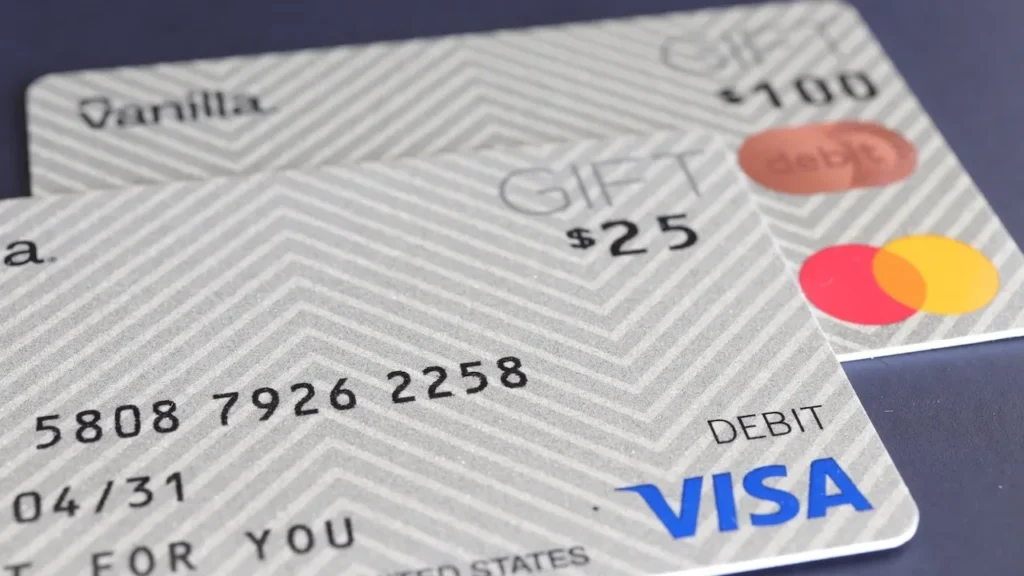


SAN FRANCISCO, CA — A $1.5 million restitution fund will compensate some California consumers who say balances on Vanilla gift cards were stolen before they ever used the cards. The settlement also covers people who say refund requests tied to those unauthorized transactions were improperly rejected.
The agreement resolves a lawsuit brought by the San Francisco City Attorney against InComm Financial Services Inc., the company that sells Vanilla gift cards and other prepaid payment products. InComm has not admitted wrongdoing, but it agreed to create the fund rather than continue the dispute.
The case centers on claims that criminals tampered with card packaging, captured card information before purchase and then used it to drain balances. According to the city attorney, those losses could have been reduced or prevented if the packaging had been changed.
Who can qualify for a payment under the Vanilla gift card settlement
The settlement is limited to California residents who bought a non-reloadable Vanilla gift card in California between Nov. 1, 2019, and Sept. 30, 2024. It also applies to people who received one of those cards during that period, as long as they later lost some or all of the funds because of unauthorized charges.
Consumers must also believe the stolen balances were tied to packaging tampering. The case does not describe a broader nationwide class, and the relief is aimed at shoppers connected to purchases made in California during the defined window.
Because the claims process depends on the kind of documentation a consumer can provide, the amount paid can vary significantly from one claimant to another.
How the settlement payment amounts will be calculated
People without proof of claim can request a flat payment of $15. Those consumers may file claims for no more than two eligible gift cards, which means the maximum payout under that option is $30.
Claimants who can show proof of purchase may recover the full amount of their reported losses and may submit claims for any number of affected Vanilla gift cards. Consumers with partial documentation can still file, and those claims may qualify for up to 75% of the reported lost funds.
Any award may still be cut on a pro rata basis if the total claims are large compared with the money available after costs are deducted from the restitution fund.
Documents consumers may use to support a claim
The settlement administrator says claimants can support their requests with materials such as purchase receipts, photos of the cards, transaction histories showing the suspicious charges or records of earlier communications with InComm.
Those records matter because the payment formula changes depending on whether a consumer can fully document the purchase and the losses. The settlement also warns that people should not file claims unless they believe they meet the eligibility rules.
Claims are submitted under penalty of perjury, so inaccurate filings can create problems for the claimant and reduce the money available to eligible class members. The administrator says consumers who are unsure about eligibility should review the settlement website before submitting a form.
Deadline for filing a claim is Feb. 19, 2027
Consumers seeking payment must submit a valid claim form by Feb. 19, 2027. Missed deadlines can mean a consumer will not receive any money from the settlement, even if they otherwise qualify.
The case is titled People of the State of California v. InComm Financial Services Inc., et al. and is being heard in California Superior Court for San Francisco County. The matter is listed under Case No. CGC-23-610333.
The settlement administrator is Gift Card Claims Administrator in Los Angeles. Contact information listed for the claims process includes a P.O. Box in Los Angeles, an email address and a toll-free phone number for questions about the filing procedure.
What InComm says and what the city attorney alleged
The San Francisco City Attorney alleged that InComm’s packaging left gift card details vulnerable to theft before purchase. The complaint says those stolen balances came from cards that shoppers had not yet used, and that some refund requests were denied even after consumers reported the losses.
InComm’s business includes payment technology services and Vanilla gift cards, along with other gift card products. By agreeing to the settlement, the company ends the litigation without admitting the city’s accusations.
The agreement does not create a final hearing date listed in the settlement materials provided. Instead, it focuses on the claims process and the fund that will be used to pay eligible consumers who experienced losses tied to the disputed card activity.

Leave a Reply