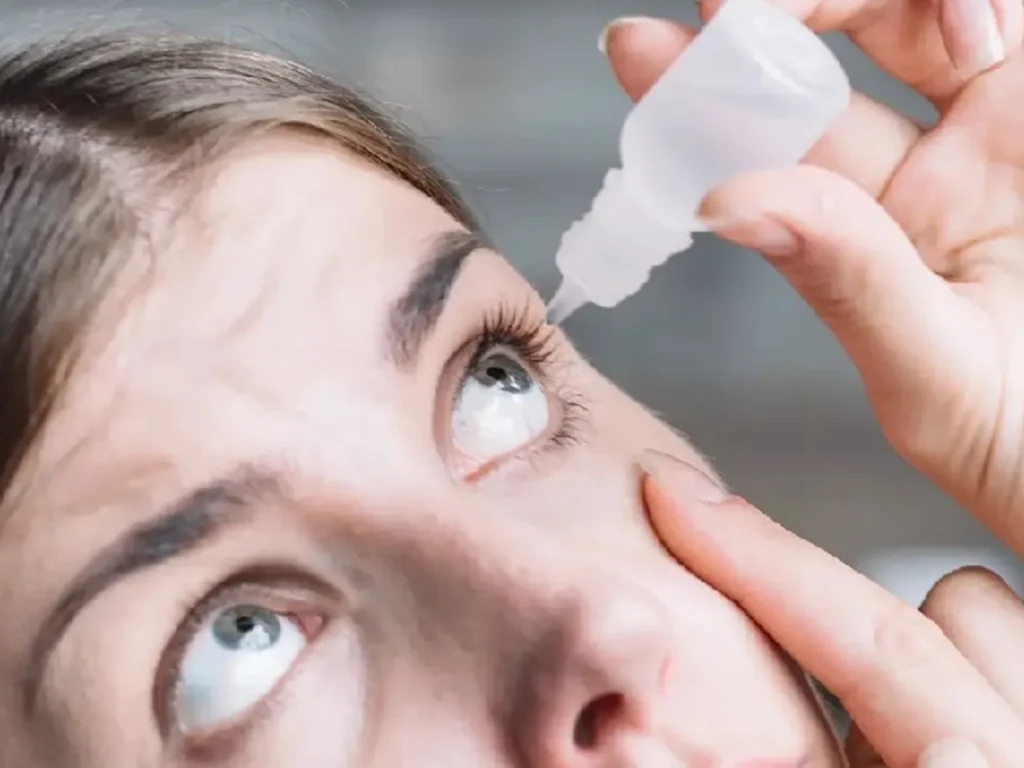

WASHINGTON, DC — The U.S. Food and Drug Administration has classified a nationwide recall of nearly 750,000 eye drops and ophthalmic ointments as a Class II action after finding a lack of sterility assurance during manufacturing. The products were pulled because non-sterile eye medicines can create health risks when they are used on sensitive eye tissue.
The recall covers 747,844 units across nine product lines. Illinois-based contract manufacturer Sterling Pharmaceutical Services LLC initiated the voluntary recall on Aug. 20, 2026, and the FDA later assigned the Class II designation on Sept. 21. That category means exposure may cause temporary or medically reversible harm, while the chance of serious consequences is considered remote.
Walgreens products account for most of the recalled inventory
More than two-thirds of the affected units are Walgreens-branded products, according to the recall notice. The largest single item is Walgreens Lubricant Eye Drops, carboxymethylcellulose sodium 0.5%, in a 15 mL bottle, with 301,114 bottles included.
A second Walgreens item, the same lubricant eye drops sold in a two-count twin pack, adds another 199,600 packs to the recall total. Together, those two products make Walgreens the biggest name in the action, though the recall also includes items sold under AvKare, Reliable-1 Laboratories, Major, Cameron Pharmaceuticals and TRP The Relief Products.
Nine specific eye care products are included in the FDA action
The recall spans lubricant drops, hypertonicity solutions and nighttime ointments. Other affected products include AvKare Carboxymethylcellulose Sodium Ophthalmic Solution 0.5% in both twin-pack and single-bottle versions, Reliable-1 Laboratories Lubricating Tears, and Major LubriFresh P.M. Nighttime Ointment.
Also named are Cameron Pharmaceuticals Carboxymethylcellulose Sodium 0.5% Eye Lubricant, TRP The Relief Products Gentle Eyes Lubricant Eye Drops 0.5%, and Reliable-1 Laboratories Sodium Chloride Hypertonicity Ophthalmic Solution 5%. In all, the recalled lots range from 11,083 bottles of the sodium chloride solution to the much larger Walgreens lubricant-eye-drop shipments.
The FDA said the products should be identified by matching the brand name, lot number and expiration date on the bottle, tube or outer box against the agency’s Enforcement Report.
Why the FDA labeled the recall Class II
The FDA uses three recall classes to describe risk. Class I is reserved for situations in which there is a reasonable chance of serious injury or death. Class III is used when adverse health consequences are unlikely.
Class II falls in the middle. In this case, the agency said use of the recalled products could lead to temporary or medically reversible health effects. Because these are ophthalmic products that come into direct contact with the eye, the FDA said non-sterile formulations can increase the risk of irritation, inflammation on the eye’s surface or localized infection.
The agency’s classification does not mean every customer will get sick. It does mean the products should not be treated as routine over-the-counter eye care items until the affected lots are checked and removed from use.
What consumers should do if they have one of the recalled items
Consumers are being told to look carefully at the front label and compare it with the list of recalled products. If a bottle, tube or carton matches one of the affected brands, the next step is to check the lot number and expiration date against the FDA recall listing.
If the item is part of the recall, users should stop using it right away. The FDA also advises people who develop eye pain, discharge, redness or changes in vision after using the products to seek evaluation from an optometrist or ophthalmologist as soon as possible.
For disposal, the agency recommends following local rules for over-the-counter medication disposal or asking a local pharmacy about safe return options.
Sterility problems in eye products can create fast-moving health concerns
Eye drops and ointments are designed to be applied directly to tissue that is highly sensitive and easily irritated. That is why sterility standards matter so much for these products, even when they are sold over the counter.
When a product that should be sterile is not, the main concern is not only discomfort but also the possibility of a localized infection. The FDA’s warning reflects that risk, especially for consumers who may use these products repeatedly for dry eyes or nighttime relief.
The recall now places the responsibility on shoppers to identify the products already in their homes and on pharmacies and retailers to help remove the affected lots from circulation. The FDA’s Enforcement Report remains the key reference for consumers checking whether a specific package is included.

Leave a Reply