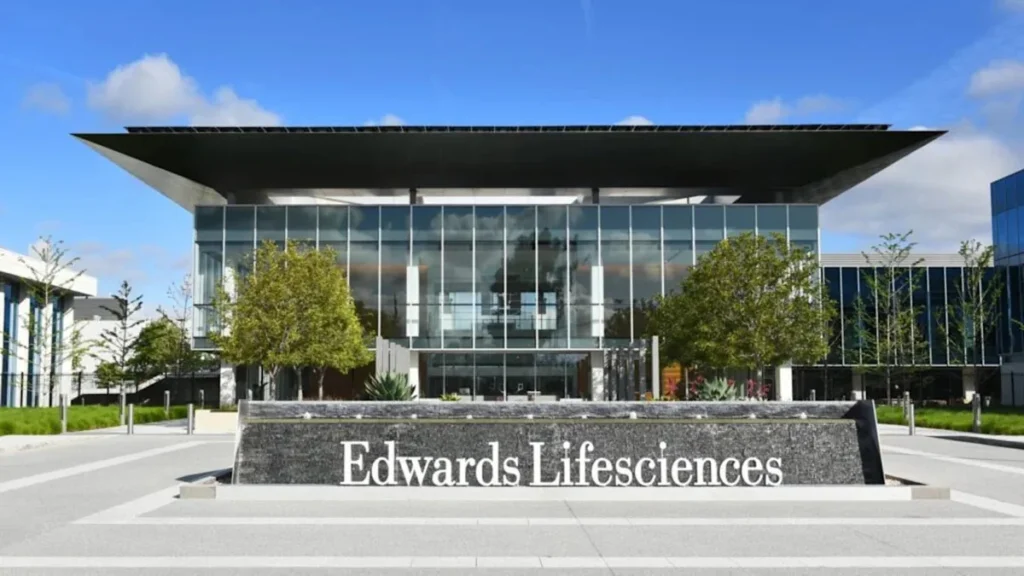

WASHINGTON, DC — The U.S. Food and Drug Administration has issued a high-risk early alert tied to a recall of certain Edwards Lifesciences Commander M delivery systems after reports that balloons burst during procedures. The agency said the problem was associated with one death and one serious injury.
The recalled devices are used to deliver a replacement mitral heart valve through blood vessels, allowing the valve to be implanted without open-chest surgery. According to the FDA, the company received three separate reports of balloon failures when the devices were inflated during use.
Why the Commander M delivery system matters in mitral valve procedures
The Commander M delivery system is part of a procedure for patients who need a replacement mitral valve but are not candidates for conventional surgery. That makes the device especially important in cases where less invasive treatment is the only practical option.
Because these patients are often considered too high-risk for open-heart surgery, any complication during implantation can become especially dangerous. The FDA said the balloon bursts can create serious hazards during the procedure, including the possibility of an embolism or the device becoming trapped inside the guide sheath.
Once a device is stuck, removing it may require additional surgery. For patients already deemed unsuitable for surgery, that prospect can carry severe consequences, including death or other major health problems.
What Edwards Lifesciences told customers to do on October 5
Edwards Lifesciences told customers on October 5 to stop using the affected lots immediately. The company also instructed facilities to find the impacted products in their inventory and remove them from use.
Clinical teams are expected to work with company representatives to return the recalled devices. The alert applies only to specific lots of the Commander M system, and Edwards said other lot numbers are not covered by the recall.
That distinction matters for hospitals and other facilities that may still have inventory on hand. The company said products outside the identified lots remain safe to use.
Three balloon burst reports led to the early alert from federal regulators
The FDA said the early alert was driven by three separate reports in which balloons burst during inflation. Those reports raised concerns serious enough for the agency to classify the issue as high risk.
The recalled delivery systems are designed to guide a replacement valve into place through blood vessels. When the balloon fails during the procedure, the consequences can be immediate and severe, particularly in a treatment population that already faces significant medical risk.
The agency’s warning underscores how quickly a device failure can escalate in complex heart procedures. A balloon burst can interrupt implantation and force clinicians to manage a potentially life-threatening emergency while the patient is already in an operating setting.
Safety concerns are heightened because patients are often not surgical candidates
These devices are used in patients who are typically judged unable to undergo open-chest surgery. That is one reason the FDA framed the recall as especially serious: the people receiving the valve replacement may have limited backup options if a complication occurs.
A stuck device or an embolism can turn a minimally invasive procedure into a much more complicated event. In some cases, the only way to resolve the problem may be additional surgery, which can be a poor option for the very patients selected for this treatment.
The combination of a fragile patient population and a device that failed during inflation is what pushed the agency to warn that the hazard could result in serious adverse health consequences or death.
Edwards Lifesciences shares slipped as investors weighed the recall
Edwards Lifesciences shares were down 0.86% at $87.34 when the market update was published on Friday, according to Benzinga Pro data. The price move came as investors absorbed the safety alert and the scope of the recall.
The company has not said in the alert material that other Edwards products are affected. For now, the recall is limited to specific Commander M lots tied to the balloon burst reports.
Medical device recalls can draw close attention from hospitals, regulators, and investors at the same time. In this case, the FDA’s high-risk designation and the reported patient outcomes made the warning more urgent than a routine product correction.

Leave a Reply