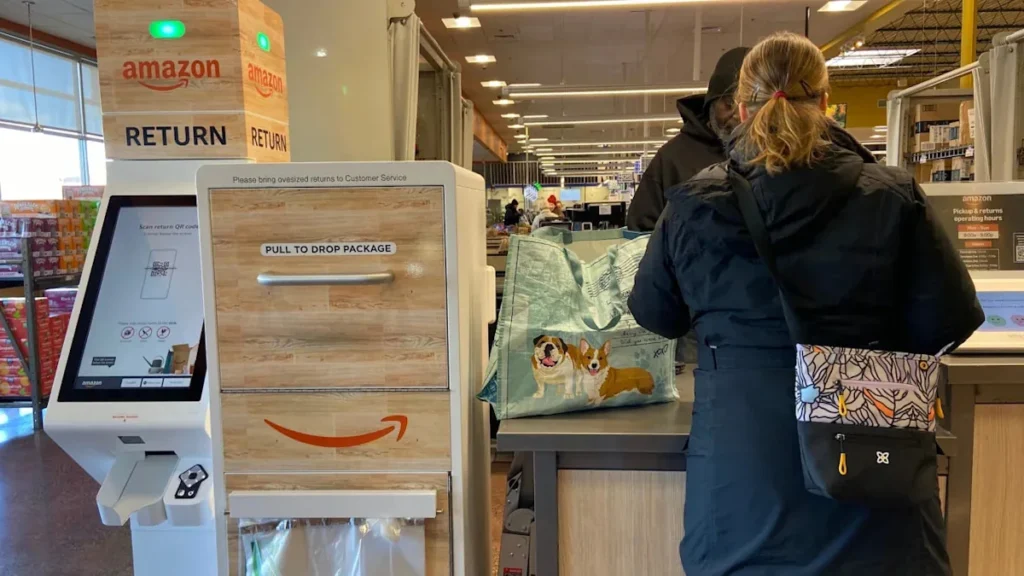


SEATTLE, WA — A class-action settlement involving Amazon could send $309.5 million back to eligible U.S. shoppers who say they were hit by problems with returns and refunds. The case centers on claims that some customers were not reimbursed properly after returning items through Amazon’s refund process.
The settlement still needs claims from affected shoppers, and some people must file by Dec. 1, 2026 to be considered. At the same time, court filings indicate the legal team may ask for as much as $100 million in fees for its work on the case, a figure that could take up nearly a third of the overall payout.
How the Amazon refund dispute reached court
The lawsuit was filed in U.S. District Court for the Western District of Washington in 2023. Customers argued that Amazon did not always follow its own chargeback and refund policies when shoppers tried to send items back.
According to the complaint, Amazon advertised “free, no hassle returns,” but in some situations allegedly failed to issue refunds or later charged customers again after the items had been returned in line with the company’s rules. The plaintiffs also said the company knew many shoppers might not catch the mistakes, leaving consumers with losses they had not expected.
Amazon has denied the allegations and rejected any wrongdoing. The settlement does not amount to an admission of liability, but it avoids the expense and uncertainty of a trial.
What the settlement says about payout amounts and legal fees
The proposed resolution was first put forward in January and received preliminary approval in August. Court approval of a settlement plan is common in large class actions, especially when both sides want to avoid years of additional litigation.
The total fund is expected to be large enough to cover eligible purchases and interest for those who qualify. Even so, the legal fees may become a major issue because counsel can seek compensation of up to $100 million for representing the class.
That amount would come from the overall settlement structure, meaning the final distribution to shoppers will depend on how the court handles the fee request and how many people file valid claims.
Who may qualify for money from the Amazon settlement
The case covers shoppers who bought an item on Amazon.com and tried to get a refund through the company’s own fulfillment channel. To be eligible, they must have experienced one of several specific problems with the return process.
Those problems include receiving no refund at all, being refunded and then charged again for the returned item, getting a refund that took too long, or receiving the wrong amount back. The purchase window runs from Sept. 5, 2017 through Feb. 12, 2026.
Because the class definition is narrow, not every Amazon customer will qualify. The settlement is aimed at people whose return transactions fell into the categories identified in the lawsuit and settlement terms.
Why shoppers need to watch the Dec. 1 deadline
Some eligible customers will need to submit a claim form before Dec. 1, 2026. Missing that deadline could mean losing the chance to collect any money from the settlement, even if the shopper is otherwise covered.
Class-action settlements often rely on claims processing because companies do not automatically know which individual customers had the exact problems described in the case. That means filing can be the only way for a qualifying shopper to receive a payment.
The deadline gives affected customers a limited window to review their Amazon return history and decide whether they meet the settlement criteria. For people who think they may be included, the safest move is to act before the cutoff.
What the case means for Amazon customers and future returns
The lawsuit puts a spotlight on how major e-commerce platforms handle refunds when orders are returned through company systems. Even though Amazon denies wrongdoing, the case alleges that defects in its refund and exchange processes led to consumer losses.
For shoppers, the settlement may provide a rare chance to recover money tied to older return transactions stretching back years. For Amazon, the agreement closes a major legal dispute without forcing the company through a lengthy trial over its refund practices.
The final effect will depend on how many claims are filed and how the court addresses the fee request. Until then, eligible customers have to decide whether their purchases and refund experiences fit the settlement terms closely enough to pursue payment.

Leave a Reply