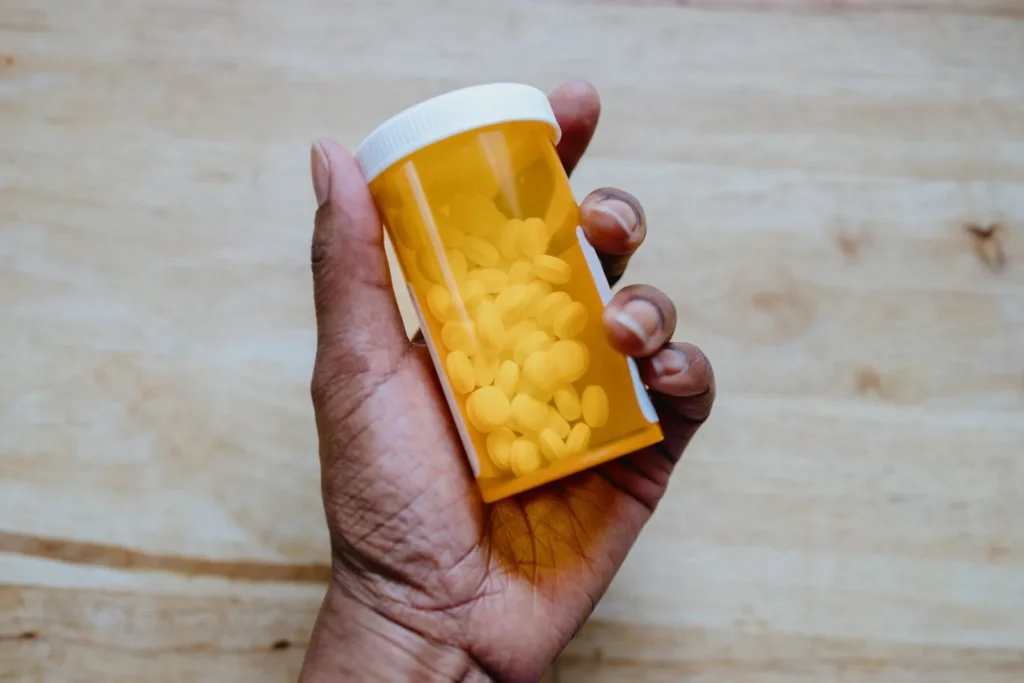
EAST WINDSOR, NJ — A nationwide recall is underway for a commonly prescribed blood pressure medication after regulators said some bottles may contain foreign tablets or capsules that do not belong in the package. The product is metoprolol tartrate, a beta-blocker used to help lower blood pressure and slow heart rate.
Advagen Pharma Limited is recalling 3,684 bottles of the 50-mg tablets. The company’s action applies to bottles distributed nationwide and packaged with 1,000 tablets each. The FDA had classified the recall as Class II by November 10, meaning use of the product may cause temporary health effects, but a serious medical problem is considered unlikely.
What Advagen Pharma is recalling and how the bottles are identified
The recalled product is Metoprolol Tartrate Tablets, 50 mg, with 1,000 tablets per bottle. Regulators identified the medicine by National Drug Code 72888-210-00, batch number 2611C065A1, and expiration date 05/2028.
Advagen Pharma Limited is based in East Windsor, New Jersey. The recall covers every bottle in the affected batch that made its way into distribution nationwide, although the FDA notice does not say how many consumers received them or which pharmacies stocked the product.
Metoprolol tartrate is the generic form of Lopressor. The drug is widely prescribed for blood pressure control and to reduce the heart’s workload, and clinicians may also use it for chest pain or to limit additional damage after a heart attack.
Why the FDA flagged the recall as a Class II risk
The concern prompting the recall is the possible presence of foreign tablets or capsules inside the metoprolol packaging. Regulators did not identify the extra pills, and the FDA notice does not explain where they may have come from.
A Class II recall is used when a product could cause temporary or medically reversible harm, but the chance of a serious health consequence is remote. That classification places the issue below the most urgent category, though it still signals that the medicine should not be ignored by patients or pharmacists.
Even when the expected risk is limited, a mismatch between the labeled drug and an unexpected tablet can create confusion about what a patient is actually taking. That is why recalls tied to packaging or product mix-ups often prompt a closer review of inventory and bottle contents.
How metoprolol is used by patients with hypertension and heart conditions
Metoprolol belongs to a class of medications called beta-blockers. The drug works by lowering heart rate and easing the heart’s effort to pump blood, which can help bring down blood pressure over time.
The medicine is also prescribed for some people dealing with chest pain and for patients recovering from a heart attack, when reducing strain on the heart can be important. Because it is so commonly used, even a limited recall can affect a wide range of patients who rely on the drug every day.
That makes accurate labeling especially important. Patients taking metoprolol may be using it for long-term management, so any concern about tablets being mixed into the packaging deserves prompt attention from a pharmacist or prescriber.
What patients should check on their prescription bottles
The FDA notice does not give detailed consumer instructions beyond advising patients to contact a pharmacist or healthcare provider if they think their prescription may be involved. That means the first step is to compare the bottle details with the recalled lot information.
Patients should look for Metoprolol Tartrate Tablets, 50 mg, bottle size 1,000 tablets, NDC 72888-210-00, batch 2611C065A1, and expiration date 05/2028. If those details match, a pharmacist or clinician can help determine the next step.
People should not assume a bottle is affected based only on the drug name alone, since recalls are typically limited to specific batches. The lot number and expiration date are the key identifiers in this case.
What the recall means for pharmacies and the broader supply chain
Because the tablets were distributed nationwide, pharmacies and other dispensers may need to review their stock and remove any bottles tied to the recalled batch. That kind of check helps prevent the product from being dispensed while questions remain about what may be inside the package.
The FDA’s classification also helps health care workers gauge the level of urgency. A Class II action does not mean patients are expected to suffer severe harm, but it does mean the product should be addressed rather than left on shelves or in medicine cabinets without review.
For patients, the recall is another reminder to verify prescription labels carefully, especially when a medication is taken daily. For pharmacies, it is a routine but important quality-control step aimed at keeping the supply chain aligned with what the label says is inside the bottle.

Leave a Reply