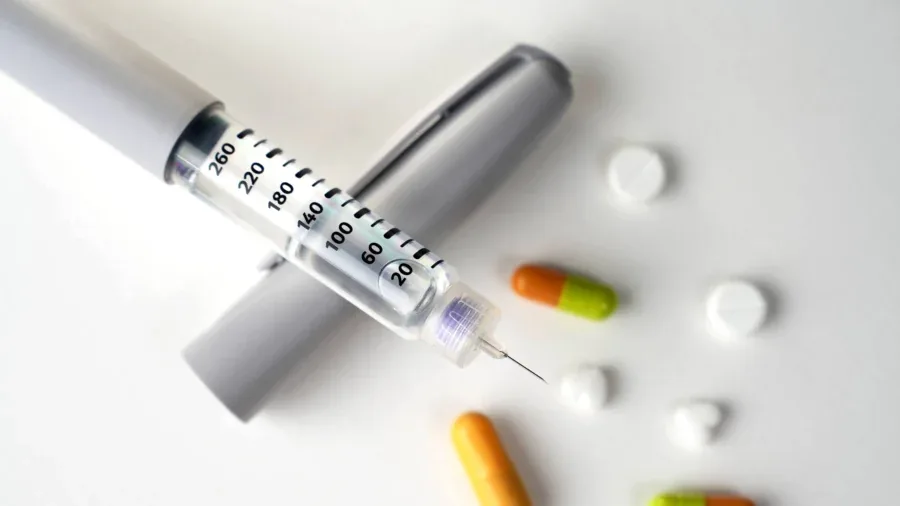
WASHINGTON, DC — A compounding pharmacy has recalled 261 drug products tied to GLP-1 weight loss injections after federal officials raised concerns about sterility assurance. The recall affects products sold nationwide and includes multiple injectable formulations used for weight loss and diabetes care.
Federal officials said the issue came to light after an FDA inspection of Greenwich Rx and the company’s own review of the affected products. The pharmacy said it has not received reports of adverse events so far, but it initiated the recall as a precaution.
Because the products were intended to be sterile, officials warned that a loss of sterility could create a serious infection risk.
FDA inspection leads Greenwich Rx to pull multiple injectable products
Greenwich Rx said the recalled products were distributed across the United States from Aug. 10 through Sept. 21. Some of the compounded items were prepared for Clove Rx of Staten Island, New York, expanding the recall beyond Greenwich Rx’s own labeled products.
The company said the recall covers several sizes and strengths of tirzepatide/glycine injectable vials and semaglutide/glycine injectable vials. Those ingredients are part of the broader GLP-1 category, which includes medicines commonly used to help patients lose weight and manage Type 2 diabetes.
Federal officials said the products are being recalled because of a potential lack of sterility assurance. Greenwich Rx said it has not identified contamination in the affected products, but it took action after the inspection and internal evaluation.
Glutathione and NAD+ injectables are also included in the recall
The recall is not limited to GLP-1 weight loss vials. Greenwich Rx said it also applies to several sizes of glutathione products set to expire on Dec. 19, along with NAD+ injectable products that expire by Nov. 30.
By including those injectables, the company expanded the recall to products that are not part of the GLP-1 class but were manufactured by the same pharmacy. Greenwich Rx did not say in the notice that any contamination had been found in those products either.
The central concern remains the same: if a sterile drug product is not actually sterile, patients could face severe infections that may be life-threatening.
No illnesses reported as company warns about serious infection risk
As of the recall notice, Greenwich Rx said it had not received any phone calls or emails reporting adverse events tied to the recalled drugs. That means the company has not yet seen evidence that patients have been harmed, even as it asks customers to stop using the affected products.
The warning reflects the seriousness of potential sterility failures in injectable medicines, which bypass the body’s natural defenses. Company officials said the recall is being done out of caution, not because contamination has already been confirmed.
Greenwich Rx said it has not found evidence of contamination in the products it pulled from the market, but the company still moved to remove them from circulation while the concern is reviewed.
GLP-1 drugs remain widely used for weight loss and diabetes care
GLP-1 medications such as semaglutide and tirzepatide have become widely known because they mimic a stomach hormone that reduces appetite and slows the emptying of the stomach. That effect can help patients eat less and lose weight.
They are also commonly prescribed to treat Type 2 diabetes, making them important drugs for many patients who depend on them for long-term disease management. The recalled products are compounded injectables rather than the branded medicines themselves.
The broad use of these medications has kept them under close watch, especially when pharmacy-made versions are involved in distribution across state lines.
Other compounding pharmacies have faced similar FDA recalls this fall
Greenwich Rx’s recall follows similar actions last month by Houston Rx LLC in Texas and Apothecary Pharma LLC in North Carolina. Those companies recalled tirzepatide-based injection solutions for the same sterility concern.
In both cases, the FDA classified the recalls as Class II events, meaning the products could cause temporary or medically reversible harm, though the chance of serious harm is considered less likely than in the most severe recall category.
The latest Greenwich Rx recall adds to a growing list of compounding pharmacy actions involving injectable GLP-1 products, underscoring how closely regulators are watching the market as demand remains high.
Lawsuits over GLP-1 medicines add to scrutiny around the drug class
The recall comes as GLP-1 drugs are already facing heightened attention in the courts. Hundreds of lawsuits have been filed by patients across the United States alleging that medicines including Rybelsus, Mounjaro and Zepbound may be linked to a rare eye condition called non-arteritic anterior ischemic optic neuropathy, or NAION.
NAION can cause sudden vision loss, and the claims have added another layer of concern around the rapidly expanding class of weight loss and diabetes drugs. Those lawsuits are separate from the Greenwich Rx recall, which is focused on sterility issues in compounded injectable products.
For now, Greenwich Rx says the recall remains precautionary, with no reported adverse events and no confirmed contamination in the products it has pulled back.

Leave a Reply