
WASHINGTON, DC — More than 200,000 plug-in carbon monoxide and gas detectors sold online nationwide are being recalled because federal safety officials say the alarms may fail to sound during an emergency. The Consumer Product Safety Commission said the devices could miss hazardous levels of carbon monoxide and gas, creating a risk of serious injury or death.
The recall covers two Zenara models sold through truststeadfast.com between February and September 2026. The company, based in Wyoming, said it has not received reports of injuries tied to the recall, although the CPSC said it was notified of one case in which an alarm did not activate during a carbon monoxide leak.
Which Zenara detectors are included in the recall
The recall applies to model numbers KH158 and GC03. Both products were made in China and sold for between $48 and $70, according to the CPSC notice.
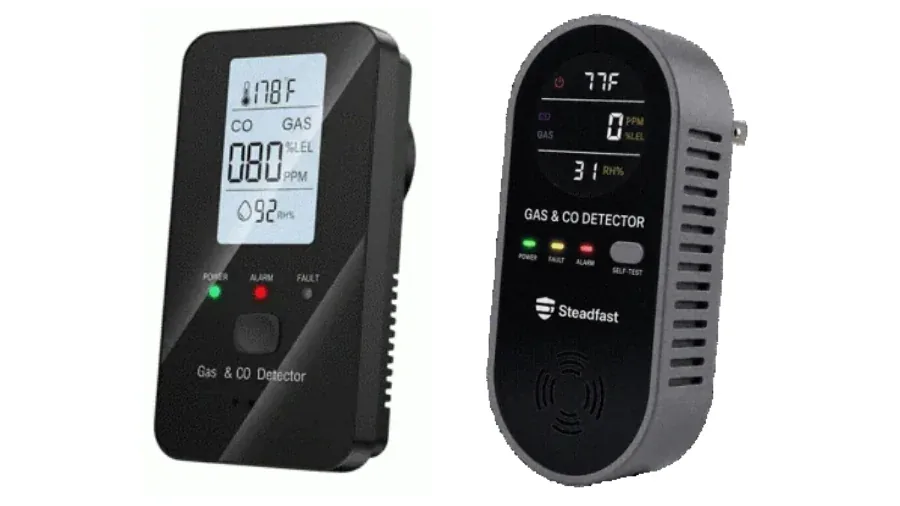
Model KH158 has a rounded top and bottom, with a matte gray or white plastic body and a glossy black digital display. The GC03 model is rectangular with a black casing and a similar screen. On both products, the model number can be found on a white label on the back, near the plug.
The agency said the products were distributed online, which means buyers across the country may have them in homes, apartments or other living spaces. Because carbon monoxide is odorless and dangerous at low concentrations, a functioning alarm is a key safety device in any residence.
What federal officials say could go wrong
The CPSC said the concern is not simply that the detectors may give a false reading, but that they may fail to alert users at all when dangerous gas levels are present. In that scenario, people could remain in a contaminated space without realizing there is a problem.
Carbon monoxide exposure can be especially dangerous because symptoms often resemble the flu. The CDC says warning signs can include dizziness, headache, vomiting and chest pain, but people who are asleep, intoxicated or otherwise impaired may die before noticing symptoms.
That risk is higher for babies, older adults and people with certain health conditions, including anemia, breathing problems and chronic heart disease. For households that rely on plug-in detectors, the recall underscores how quickly a device failure can turn into a medical emergency.
How Zenara is handling replacements for customers
Zenara is offering free replacement detectors to customers who bought the recalled units. The CPSC said owners should keep using the product until the replacement is installed, rather than leaving the home without any detector in place.
Customers are being directed to register online at truststeadfast.com/pages/recall. To complete the process, owners must write “RECALLED” and their initials on the device using a permanent marker, then upload a photo of the marked detector. Once the registration is approved, the old product can be discarded.
The company has not publicly reported injuries, but the recall notice gives customers a clear path to obtain a replacement. That process is meant to remove the affected detectors from use while keeping homes protected during the transition.
Why carbon monoxide alarms matter in everyday homes
Carbon monoxide is often called a silent threat because it cannot be seen or smelled, which makes detectors essential in spaces where gas appliances or other combustion sources are present. A working alarm can provide the first warning that a dangerous leak has happened.
That warning matters because symptoms can be confused with other illnesses. Headaches, dizziness and nausea may not immediately point to carbon monoxide exposure, and by the time the danger is clear, occupants may already be in serious trouble.
Safety officials say a detector should never be treated as a background appliance that can be ignored. In a recall like this one, the concern is that a device people trust to protect them may not respond when needed most.
What recalled buyers should do next
Anyone who has a Zenara KH158 or GC03 detector should check the label on the back of the unit and compare it with the recall information. If the model matches, the owner should begin the replacement process right away through the company’s recall page.
Federal officials say customers should not wait to act, because the point of the recall is to replace a detector that may not sound in an emergency. The notice also makes clear that the product should stay in use until the replacement is ready, so homes are not left unprotected.
Once the replacement is approved and the old detector has been marked and photographed, buyers can dispose of it. The recall affects online shoppers nationwide, making it important for households to check devices that may have been purchased months earlier.
The wider risk behind a failed alarm
Carbon monoxide poisonings are dangerous precisely because they can escalate without warning. When an alarm works, it can prompt people to ventilate a home, leave the area and seek help before symptoms become severe.
When it does not, the consequences can be much more serious. The CPSC warned that the recalled detectors may fail to alert customers to hazardous levels of carbon monoxide and gas, which is why the agency described the problem as a risk of serious injury or death.
For households that bought one of the recalled units, the safest response is to verify the model, register for the replacement and keep the device in place until the swap is complete. That sequence is intended to reduce the time a home goes without any protection at all.

Leave a Reply