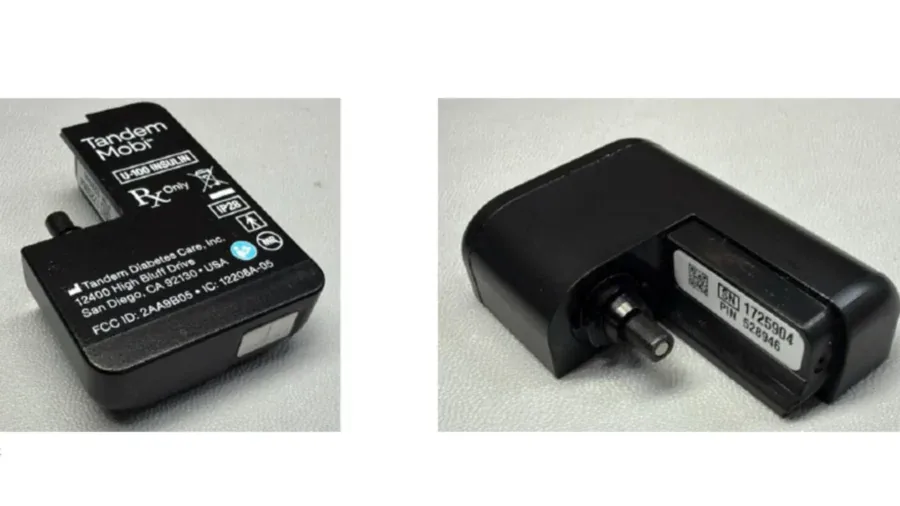



WASHINGTON, DC — The U.S. Food and Drug Administration has placed a recall involving Tandem Mobi insulin pumps at its highest risk level after 1,248 serious injuries were linked to false alarms that can interrupt insulin delivery. The agency said Tandem Diabetes Care has reported no deaths connected to the problem as of Oct. 28.
At issue are false-positive occlusion alarms. In those cases, the pump may wrongly detect a blockage in insulin flow even when no blockage exists, then suspend delivery until the alarm is acknowledged and therapy is restarted. The FDA said repeated alarms that are not addressed can leave users at risk of high blood sugar, which in severe cases may require medical treatment or hospitalization.
How the false alarms can disrupt insulin treatment
According to the FDA notice, the pump’s alarm system can halt insulin delivery once it believes there is an occlusion, or blockage, in the line. Delivery remains paused until the user responds and resumes therapy. That means a false alarm can become more than a nuisance if it happens repeatedly or goes unnoticed for too long.
The agency said the audible tones or vibrations continue until the alarm is acknowledged, depending on the device settings. If the interruption is not corrected, users can miss insulin they need to keep blood sugar controlled. The FDA warned that uncontrolled hyperglycemia can become serious enough to require urgent care.
Tandem Diabetes Care identified the issue in certain Tandem Mobi pumps with interoperable technology. The company’s notice says the affected devices can be identified by serial number, and recommendations vary depending on whether a pump appears on the replacement list.
Which Tandem Mobi pumps are included in the recall
The FDA said all Tandem Mobi insulin pumps with interoperable technology are included in the notice, but not every user is being told to stop using the device immediately. The key difference is whether a pump’s serial number appears on the “List of Affected Product Subject to Replacement” included with the recall materials.
Users whose pumps are on that replacement list are being directed to seek a return and replacement. Other users may continue using their pumps if they follow the updated instructions for responding to alarms and monitoring blood sugar. The agency said people should check their serial number against the lookup list before deciding what to do next.
Tandem Diabetes Care sent letters to customers on Sept. 23. Health care providers, U.S. distributors and pharmacies also received notices about the recall and the steps users should take.
What customers should do if a pump needs replacement
Customers whose pumps are listed for replacement should first confirm the serial number on the lookup list. The FDA said they should then immediately submit a return-and-replacement request using the link in Tandem’s letter or by calling Tandem Customer Technical Support at 877-801-6901.
For users awaiting replacement, the goal is to avoid any interruption in insulin therapy while they move through the process. The company and FDA said affected customers should act promptly rather than wait for a problem to worsen. The notice does not say every pump will fail, but it does identify a risk serious enough to trigger the recall classification.
People with diabetes who rely on the device should also keep their health care provider informed while arranging the exchange, especially if they have already seen repeated occlusion alarms or other disruptions to insulin delivery.
Safety steps for users who keep their pumps
The FDA said users who continue using an affected pump should respond to every occlusion alarm right away. That means acknowledging the alarm and checking the cartridge, tubing and infusion site for damage or blockage. If a problem is found, it should be corrected and insulin delivery resumed using the troubleshooting steps in the user guide.
The agency also recommended turning on push notifications in the Tandem Mobi mobile app so users receive an alert when an alarm occurs. Users should check their blood sugar regularly to catch unexpectedly high or low readings and be ready to use a backup insulin-delivery method as directed by their health care provider and training materials.
Even pumps that are not on the replacement list should be monitored closely. The FDA said those users should follow the same alarm-response steps and enable app notifications just in case the device begins producing a higher-than-normal number of alarms.
When to contact Tandem support or a clinician
The FDA said users should contact Tandem Customer Support if they notice an unusually high number of occlusion alarms or if alarms keep interrupting therapy after troubleshooting. That guidance applies both to pumps scheduled for replacement and to those that remain in use.
Because repeated false alarms can interrupt insulin delivery, the agency is urging users not to ignore them. Anyone who sees signs of persistently high blood sugar should monitor closely and follow their clinician’s instructions for backup treatment. The recall notice emphasizes fast response, serial-number checks and regular glucose monitoring as the main defenses against more serious complications.

Leave a Reply