WASHINGTON, DC — Jaguar Land Rover’s recall of certain Range Rover and Range Rover Sport SUVs in the United States has grown to 121,509 vehicles, but federal regulators are looking at a much larger population. The National Highway Traffic Safety Administration’s investigation into front steering knuckle cracking now covers 331,559 SUVs from the 2014 through 2022 model years.
That leaves a wide gap between what JLR has already recalled and what NHTSA is still examining. The agency’s probe now reaches newer vehicles that were not included in the recall campaign, and its engineering analysis is focused on whether the safety problem extends farther than the automaker first concluded.
How the Range Rover recall grew from 16,759 to 121,509 SUVs
JLR first filed a U.S. recall on Nov. 7, 2024, after identifying a possible crack in the front suspension upper knuckle joint on 16,759 Range Rovers from the 2014 to 2016 model years. The affected vehicles were tied to specific build windows, and the company identified SuperAlloy Industrial Co. Ltd. of Taiwan as the knuckle supplier.
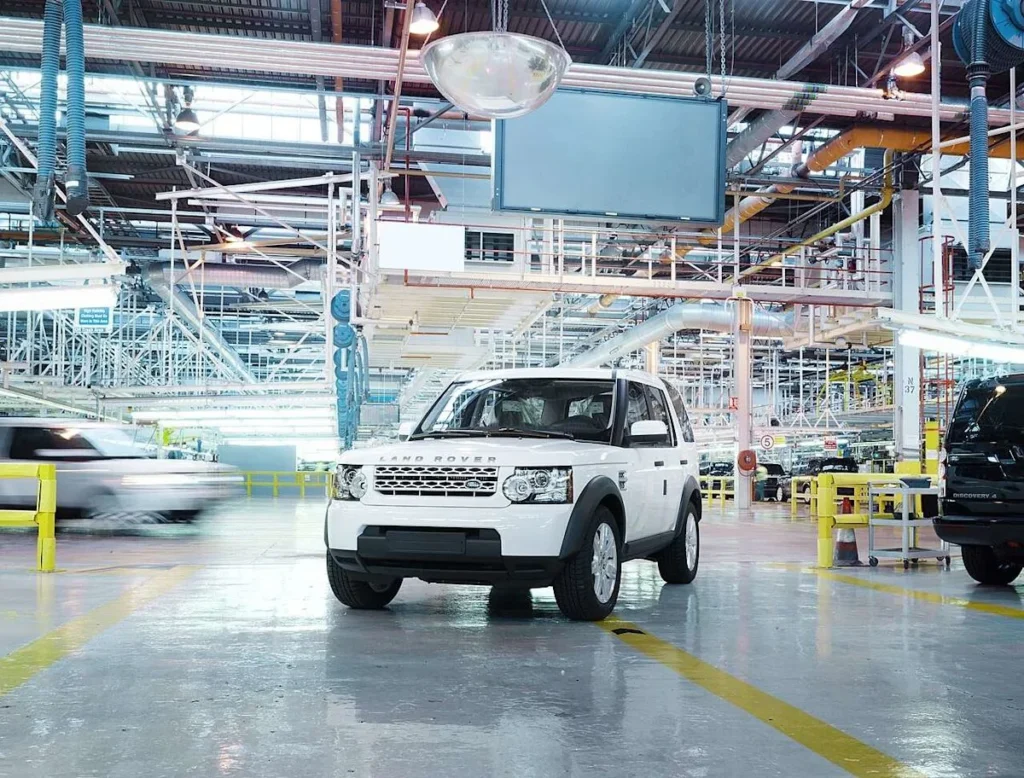
By August 2025, the campaign had widened sharply. JLR’s recall report says Transport Canada had already raised concerns that the same condition could affect the Range Rover Sport, and the company expanded the recall after reviewing the issue in Canada and the United States. The final U.S. recall covers 54,720 Range Rovers and 66,789 Range Rover Sports built in Solihull, England.
Why NHTSA moved the case into engineering analysis
NHTSA opened a preliminary evaluation on June 27, 2025, after receiving 12 owner complaints about fractured knuckles. The agency later upgraded that review to engineering analysis EA26003 on April 24, 2026, giving investigators more time and more authority to examine the defect pattern.
In the agency’s resume, NHTSA says the suspected problem affects 2014 to 2022 Range Rover and Range Rover Sport models, a combined population of 331,559 vehicles. Regulators also said the later vehicles use a substantially similar knuckle design to the earlier ones, which is one reason the investigation reaches beyond the recall years now covered by JLR.
Federal investigators are pressing Jaguar Land Rover for design and sales records
The first formal information request in the engineering analysis was dated Sept. 18, 2026. By then, the agency said it had collected 41 crack complaints, up from the 12 that initially triggered the case. NHTSA asked JLR to explain the root cause, justify the recall boundaries, and identify each knuckle design version by part number and supplier.
Investigators also want warranty claims, parts sales and repair-kit sales. That information is meant to help NHTSA determine whether the recall should be larger or whether the company’s current scope is appropriate. JLR’s response was not included in the public file reviewed for this case.
The current repair includes inspections, replacement and a retaining bracket
JLR’s remedy splits affected vehicles into two groups. Technicians inspect both front knuckles, replace any part with a visible crack, and install a retaining bracket on the upper joint when no crack is seen and the bracket is available. The company says the bracket is designed to keep the component from fully separating if a fracture develops.
That matters because the defect starts at the upper clevis, where the upper control arm attaches to the knuckle. If the part fails, the wheel connection can be compromised and the driver could lose control. NHTSA is asking JLR to show how the bracket was developed and tested, and to provide evidence that it can prevent crack growth and separation.
Model years 2018 through 2022 are the main unresolved question
JLR’s recall filing stops at the 2017 model year, while NHTSA’s engineering analysis includes 2018 through 2022 vehicles that share a similar design. The company says its 2018 knuckle handles operating stress differently, but the agency has not accepted that distinction at face value.
NHTSA has asked for a detailed comparison of split and flash lines, design versions and failure characteristics, including owner photos of 2020 and 2021 fractures. Those marks can reveal whether later parts were truly different or whether they came from the same tooling and could fail the same way. The agency is also examining mixed build conditions created when some parts were held at a supplier and released later.
What Range Rover owners can do now while the probe continues
Owners of 2014 through 2017 Range Rovers and Range Rover Sports can check their vehicle identification numbers in NHTSA’s recall lookup to see whether 25V-514 or 24V-840 applies. The repair is free under the recall, and the earlier filing includes reimbursement information for owners who already paid for the work.
Owners of 2018 through 2022 vehicles are not named in the current recall, but they remain part of the federal investigation. NHTSA says drivers who find a cracked knuckle on any of these vehicles can file a complaint, which is how this case began. The agency’s review will determine whether the recall expands again.

Leave a Reply