
WASHINGTON, DC — More than 1.5 million pounds of hot dogs, bacon, deli meats, bratwursts and other ready-to-eat products are being recalled nationwide after federal officials said they may have been held at unsafe temperatures.
The U.S. Department of Agriculture said Kayem Foods Inc. is recalling about 1.58 million pounds of meat and poultry items made at its Chelsea, Massachusetts, plant between March 31 and Oct. 7. The products were distributed to retailers and food service locations across the United States, with some also shipped to Hong Kong.
Officials said consumers should not eat the recalled items and should either throw them away or return them to the place of purchase.
Why federal officials say the products are being pulled
The recall centers on temperature control concerns, not a confirmed contamination finding. According to the USDA, the company began looking into the issue after a customer reported receiving warm products on Oct. 1.
That complaint led to an internal review that found a warehouse cooler had experienced temperature deviations while the meat and poultry products were in storage. Federal officials said that means some items may have been kept outside safe limits before they were shipped out.
Because the food was sold ready to eat, the temperature problem is especially important for consumers who may assume the items are safe straight from the package.
Which products and labels consumers need to check
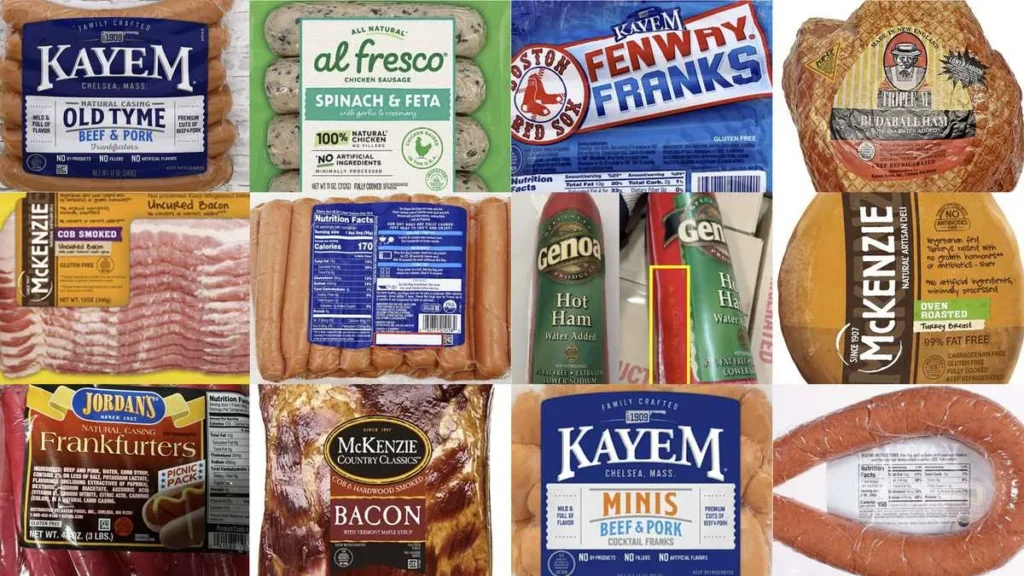
The recalled food includes a broad mix of packaged meats, including hot dogs, bacon, deli meat and bratwursts. Kayem Foods said product names, package labels and UPC codes are available for shoppers who want to compare what they have at home with the recalled items.
Consumers should also look for establishment numbers inside the USDA inspection mark: “EST. M/P 7839,” “EST. P 20935A” or “EST. M 9520.” Those markings identify the products covered by the recall.
Federal officials said some of the recalled items may still be sitting in home refrigerators, so people should check carefully before eating anything from the affected lot.
Where the recalled meat was produced and shipped
The products came from Kayem Foods’ Chelsea facility in Massachusetts, where they were made over a stretch of more than six months from late March through early October. That production window covers a large run of ready-to-eat items that were then sent into commerce.
Officials said the meat and poultry was shipped to retailers and food service locations throughout the country. The recall also extends beyond the U.S. market, since some of the products were sent to Hong Kong.
The wide distribution means the affected items may have reached grocery cases, deli counters and commercial kitchens in multiple states before the issue was identified.
No illnesses confirmed so far, but USDA says risk remains
No illnesses have been confirmed in connection with the recalled products, according to the USDA. Even so, the agency warned that the items could still be in refrigerators and should not be consumed.
For anyone who already ate one of the products and is worried about symptoms, federal officials said to contact a health care provider. The recall notice did not identify any specific illness pattern or outbreak linked to the food.
That said, a temperature-related recall can still matter even without confirmed cases, because food held too warm can become unsafe before it ever reaches a shopper.
What shoppers should do if they bought the recalled meat
Consumers who have any of the recalled products should not taste them or serve them to others. The USDA says the safest step is to discard the food or take it back to the store where it was purchased.
Shoppers should also compare the package label, UPC code and establishment number before deciding whether a product is affected. Because the recall includes many different items, those details are the best way to identify the specific packages involved.
Anyone unsure whether a product belongs in the recall can check the label information released with the notice and keep the item separate until they can confirm it.

Leave a Reply