WASHINGTON, DC — The Food and Drug Administration says a plant-based butter sold under the Miyoko’s Creamery brand is being pulled from the market because of possible contamination with E. coli, yeast and mold. The voluntary recall covers hundreds of cases that were distributed to New Jersey and nine other states.
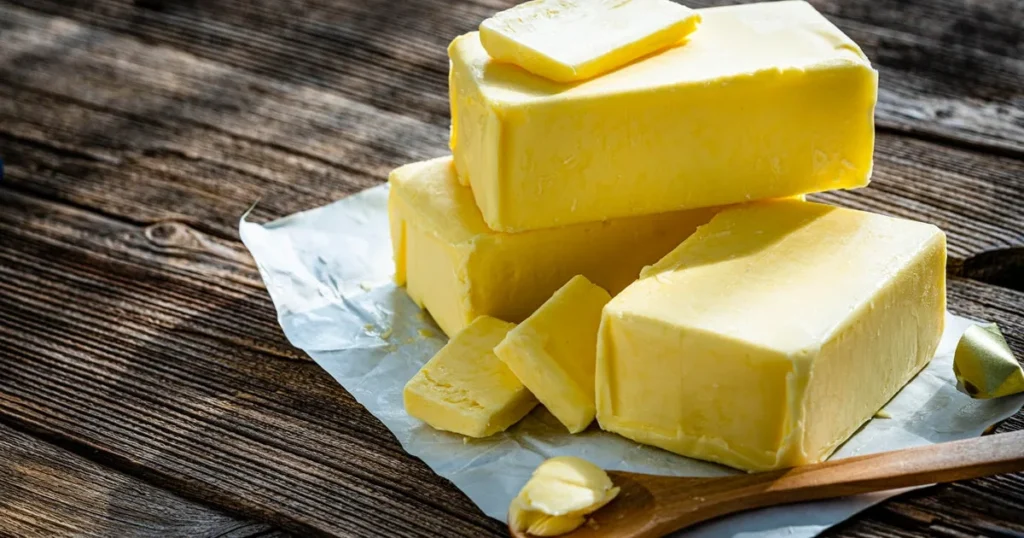
Federal regulators announced the action on Oct. 23. The product involved is Miyoko’s Creamery’s European Style Salted Plant Milk Butter, which was shipped from Boise, Idaho. The FDA said the recall affects 1,304 cases of six-packs of 8-ounce butter sticks, with each case weighing 3 pounds.
Which Miyoko's Creamery butter is included in the recall
The recalled product is the European Style Salted Plant Milk Butter made by Miyoko’s Creamery. According to the FDA, the affected items were packaged as six-packs of 8-ounce sticks.
In total, the recall covers 1,304 cases. That means a large number of individual packages may have reached stores or consumers in the states listed by regulators.
The FDA identified the product as a plant-based butter alternative, not a dairy butter. The recall notice was issued because of concerns that the product may contain harmful bacteria or spoilage organisms.
States where the recalled butter was shipped
The recalled cases were distributed to 10 states: New Jersey, Maryland, Connecticut, New Hampshire, Florida, Georgia, Iowa, Illinois, Indiana and Wisconsin.
New Jersey is the state specifically highlighted in the notice, but the shipment list stretches across the Midwest, Northeast and Southeast. That means the product reached a wide retail area rather than a single regional market.
Consumers in any of the listed states who bought the butter should check their packaging and compare it with the FDA recall details before using it.
Why the FDA says the product was pulled
The FDA cited possible contamination with E. coli, yeast and mold as the reason for the voluntary recall. E. coli can pose a health risk depending on the strain, while yeast and mold concerns often indicate spoilage or conditions that may make a food unsafe or unfit to eat.
Regulators have not said exactly how the contamination issue was discovered or whether it involved routine testing, customer complaints or another check. The notice focuses on the potential risk rather than confirmed contamination in every package.
The agency’s action means the company agreed to remove the product from circulation while the safety question is addressed.
What is known about possible illnesses so far
The FDA said it is unclear whether anyone has gotten sick after eating the butter. That leaves the recall in the preventive stage, with regulators warning the public before illnesses are confirmed or reported.
At this point, federal officials have not announced any linked cases. The absence of confirmed illness does not change the recall, which was issued because the product may still pose a risk if eaten.
Consumers who have already used the butter and feel unwell would typically be advised to contact a health care provider, though the FDA notice itself did not report any specific illness warnings tied to this recall.
What shoppers should do if they bought the product
People who have the recalled butter should avoid eating it until they confirm whether their package matches the affected lot information and product description. If it does, the safest step is to follow the recall instructions from the company or retailer.
Because the FDA notice focuses on product safety, shoppers should also check where they bought the butter and watch for store-level notices or return guidance. Keeping the packaging can help identify the item if a refund or exchange is offered.
Anyone with questions about the recall can look for the FDA advisory tied to Miyoko’s Creamery and compare the product name, size and packing format with what is in their refrigerator or freezer.

Leave a Reply