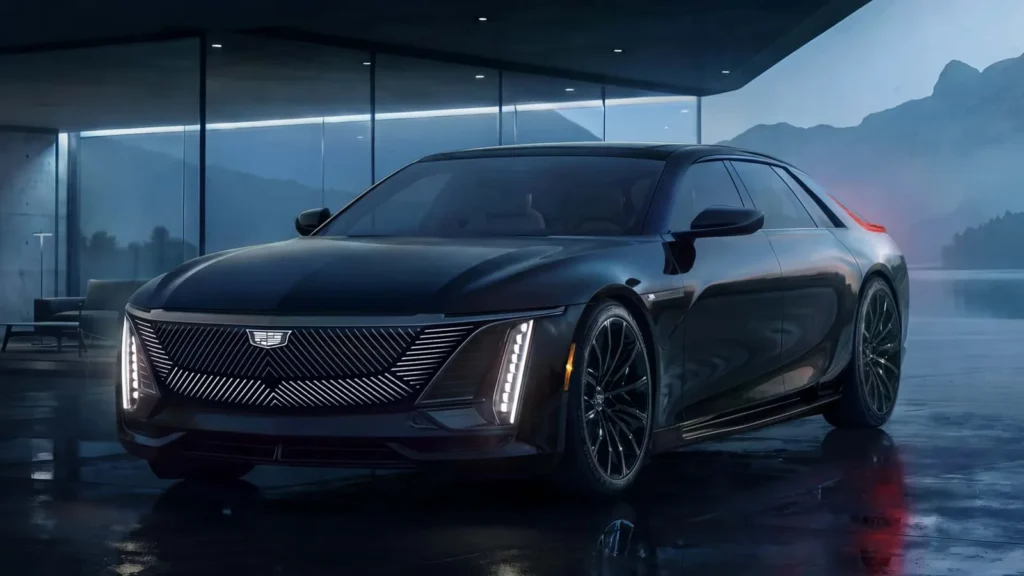
DETROIT, MI — General Motors is recalling 67,380 electric vehicles in the United States because a software defect can briefly interrupt braking during a narrow set of low-speed driving conditions. The recall covers certain Chevrolet Blazer EV, Cadillac Lyriq, Cadillac Vistiq, and Cadillac Celestiq models, according to a filing with the National Highway Traffic Safety Administration.
The problem does not appear during normal driving. Instead, it can happen when a driver is braking lightly at low speed while turning and the vehicle hits a bump or dip in the road. GM says the brake system should return to normal on the next brake press, and it has already submitted its remedy to regulators.
Which Chevrolet and Cadillac EVs are included in the recall
The recall reaches only specific configurations, not every version of these electric vehicles. On the Chevrolet side, it applies to 2024 Blazer EV SS and Police Pursuit Vehicle trims.
For Cadillac, only all-wheel-drive Lyriq models are affected. Two-wheel-drive Lyriqs are not included in this campaign. GM’s filing breaks the Lyriq population into 474 vehicles from 2023, 22,819 from 2024, 11,926 from 2025, 9,322 from 2026, and 44 early 2027 vehicles.
The recall also includes 13,627 Vistiqs from 2026 and 5,175 from 2027, along with 51 Celestiqs from 2025 and 31 from 2026. GM says owners can check their vehicle identification number now rather than waiting for mailed notices.
How the brake glitch can appear in everyday driving
The defect is tied to a very specific sequence of events. A driver has to be moving slowly, applying light brake pressure, and turning while the vehicle crosses a bump, dip, or similar rise in the pavement, such as the edge of a driveway.
In that moment, the system can briefly misread wheel movement. The National Highway Traffic Safety Administration says the software may interpret the slip calculation incorrectly, leading to a momentary release and reapplication of the brakes.
That means brake pressure can drop for a short time before the software corrects itself. GM says the issue is limited to that narrow scenario, rather than routine braking under normal conditions.
Owners can get the repair free by software update
GM says the fix will cost owners nothing. Vehicles equipped for over-the-air updates can receive the repair remotely, while others will need a visit to a dealership.
NHTSA’s recall information confirms that the remedy is free when performed at the manufacturer’s dealership. The company has also told regulators that owner notification letters are scheduled to begin on December 14, giving drivers time to confirm whether their vehicle is covered before the mail arrives.
Owners do not need to wait for that notice to act. Both NHTSA and GM provide ways to search a vehicle identification number and confirm whether a specific car is included in the recall.
This is not the first time GM has dealt with the issue
The latest recall is connected to a problem GM has already addressed in the past. The company previously recalled 21,469 all-wheel-drive Lyriqs in 2024 over a similar braking issue.
The new filing indicates that those vehicles still need the latest software update to fully resolve the concern. In other words, the earlier repair did not close the matter completely, and GM is now extending the fix through this broader recall.
That history will likely matter for owners who already brought a vehicle in last year. GM’s current campaign is meant to finish the job with updated software across the affected model years and trims.
The recall lands amid wider scrutiny of GM brake problems
The software campaign is separate from a broader brake-related investigation involving more than a million GM vehicles. That probe is ongoing and covers different models than the ones included in this recall.
For current owners, the immediate issue is simple: check the VIN, confirm whether the vehicle is included, and arrange the free update if needed. GM’s filing says the remedy has already been developed and filed with regulators, so the company is moving from identification of the defect to repairs.
Because the issue is tied to a specific driving maneuver, many owners may never experience it. Still, the company is treating it as a safety matter and is asking affected drivers to install the fix as soon as possible.
What drivers should do before the notices arrive
Drivers who own one of the affected Chevrolet or Cadillac EVs should start with the VIN lookup tools rather than waiting for the mailed notice. That is the fastest way to learn whether a specific vehicle is covered.
If the vehicle qualifies, the repair will be handled free of charge through either an over-the-air update or a dealership appointment. GM says normal brake function should return after the software is updated.
For now, the most important step is confirmation. The recall applies only to certain trims and model years, so checking the vehicle identification number is the only reliable way to know whether a specific EV is part of the campaign.

Leave a Reply