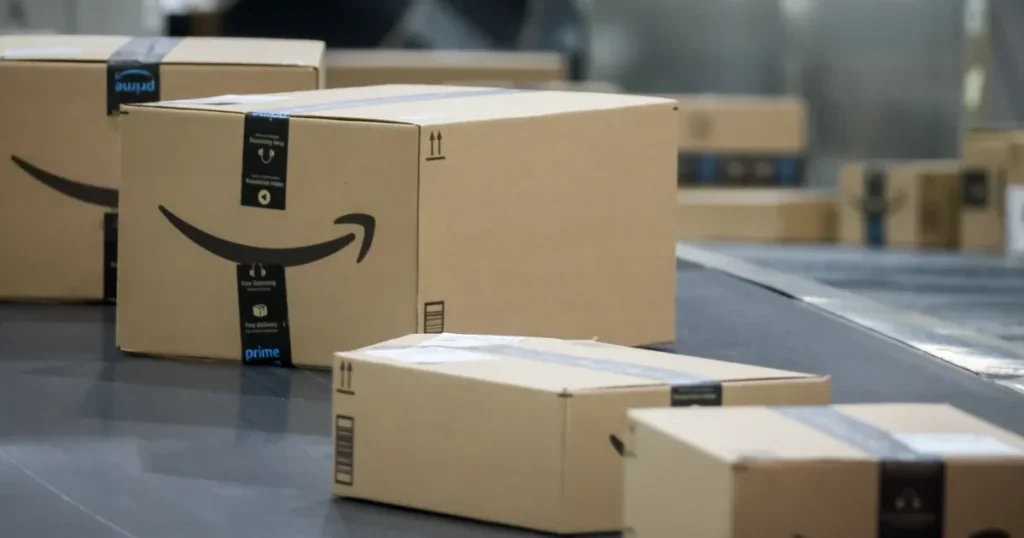



BALTIMORE, MD — A federal judge in Maryland has rejected Amazon’s effort to undo a recall order from the Consumer Product Safety Commission, handing the agency a legal win in a sealed ruling entered Nov. 25. The U.S. District Court for the District of Maryland denied Amazon’s motion for summary judgment and granted the CPSC’s competing request.
The order was sealed, so the court has not publicly laid out the reasoning behind the decision. Even so, the outcome leaves the CPSC’s recall position intact for now and keeps Amazon facing a federal court fight over how the company handles unsafe products sold on its platform.
Judge sides with the CPSC in sealed Nov. 25 order
Summary judgment is a request for a judge to decide a case without a trial when one side says there are no material facts in dispute. In this case, the Maryland federal court concluded that Amazon was not entitled to that kind of win.
By granting the CPSC’s motion instead, the court signaled that the commission’s position survived Amazon’s challenge. Because the ruling is sealed, details such as the specific legal arguments accepted by the judge remain under wraps. The docket entry itself is the main public sign that the dispute has turned in the agency’s favor.
Amazon says customer safety remains its priority
Amazon said in a statement that customer safety is a top priority and that it has a long-standing commitment to removing unsafe and recalled products from its store and notifying customers. The company also said it relies on an industry-leading recalls process.
Amazon added that it is reviewing its options after the ruling. That leaves open the possibility of further litigation or other next steps, although the company has not publicly outlined a specific response. For now, the statement reflects a familiar corporate posture: compliance with recalls as a safety matter, while still contesting the legal result.
What the case means for recall enforcement on online marketplaces
The ruling comes at a time when regulators continue to scrutinize how large online platforms handle hazardous goods sold by third-party sellers and through marketplace systems. While the sealed order does not provide a broader legal roadmap, it shows that the CPSC can prevail in federal court against a major e-commerce company in a recall dispute.
That matters because recall enforcement is often about more than pulling a product listing. Regulators want consumers notified, dangerous items removed from circulation, and platforms held accountable for the safety systems they use. The court’s decision keeps those issues in focus, especially for companies that operate at enormous scale.
The Maryland federal court ruling keeps the dispute alive
The U.S. District Court for the District of Maryland did not end the underlying controversy over Amazon’s role in the recall process. Instead, it resolved the immediate summary judgment fight in the CPSC’s favor, leaving the case’s broader implications unresolved in public view.
Because the order is sealed, observers do not yet have the court’s explanation or a clear sense of whether any remaining issues will move forward. What is clear is that Amazon’s attempt to win judgment without trial did not succeed, and the agency’s position now stands as the operative ruling in the case.
Why the decision matters for consumers and regulators
For consumers, the case highlights how product recalls can play out when items are sold through a dominant online marketplace. The CPSC’s role is to reduce risk by getting unsafe products out of homes and notifying buyers who may have purchased them.
For regulators, the ruling reinforces that enforcement against big retailers and platform operators can survive early court challenges. For Amazon, it means the company must continue weighing its legal options while maintaining its public message that it takes recalls and customer safety seriously.

Leave a Reply