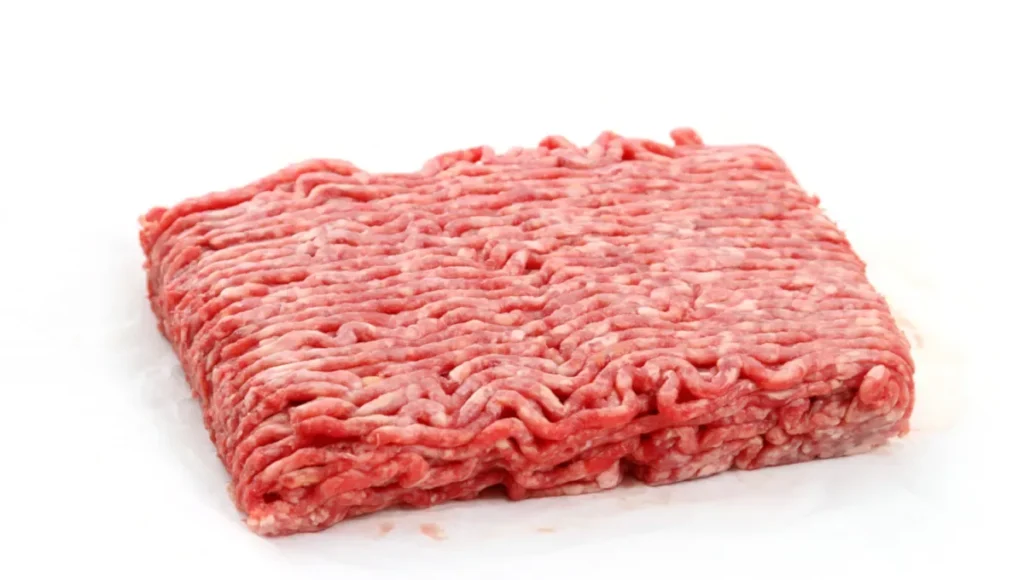


WASHINGTON, DC — The USDA’s Food Safety and Inspection Service has added a new outbreak investigation tied to E. coli O157:H7 and suspected ground beef to its public table. The entry, numbered 2027-01 and dated October 2026, is listed as active, making it the first outbreak investigation of USDA’s fiscal year 2027.
So far, federal officials have not posted a case count, the states involved, or any hospitalization or hemolytic uremic syndrome numbers. There is also no recall and no public health alert attached to the investigation yet. The same morning the entry appeared, the CDC’s multistate outbreak dashboard increased from 26 to 27 active investigations, with the E. coli category rising from three to six.
What USDA has disclosed about the new ground beef investigation
FSIS identifies outbreak investigations only when it has enough epidemiologic, sampling or traceback evidence to link a meat, poultry or egg product to illnesses. The agency says it updates its outbreak table at least weekly, and the new ground beef investigation is now part of that public record.
Even with that listing, the entry is sparse. It does not say how many people are sick, whether any patients have been hospitalized, or whether children have developed HUS, a serious complication that can follow E. coli infection. It also does not identify a processor, a brand, or a lot number, leaving consumers and industry without details on any product to avoid.
The lack of a notice is notable because FSIS often acts publicly when it has a clear match. In previous investigations, the agency has named products and companies once testing or traceback pointed to a specific source.
Why the case matters for ground beef and E. coli monitoring
This is the first ground beef E. coli O157:H7 outbreak entry FSIS has posted since 2024. The last one on the table was 2025-03, tied to a November 2024 outbreak that ended with Wolverine Packing Co. recalling 167,277 pounds of ground beef after Minnesota linked 15 illnesses to the product.
Before that, the agency’s outbreak table showed multiple “Beef, ground (suspect)” investigations from 2021 through 2023. Many of those entries were later closed without a public outcome, which makes the new active listing especially important for food safety watchers trying to track whether federal investigators are seeing a broader pattern.
Because ground beef is widely used in homes and restaurants, even a suspected link can have implications for shoppers, retailers and food-service buyers. For now, though, federal officials have not said whether this investigation is tied to retail beef, restaurant use or a specific processing plant.
How FSIS decides when to post an outbreak entry
FSIS does not publish every foodborne illness report it receives. According to the agency, a case enters the outbreak table only when evidence rises to the level of a confirmed or suspected meat, poultry or egg source. That evidence may come from patient interviews, sampling results or traceback work.
In practice, the table can signal that investigators are looking hard at a product long before a recall happens. It can also indicate that a recall is unlikely if officials have not yet identified a specific lot or establishment. The presence of the entry, however, means the investigation has moved beyond a general rumor and into active federal review.
The agency’s approach was visible in a spring Kebab Shop investigation, when FSIS found O157:H7 in kofta, matched it to patients by whole genome sequencing and issued a public health alert. That kind of action usually comes once investigators have enough evidence to point to a named product or producer.
The absence of a recall or alert leaves key questions unanswered
No recall has been announced for this outbreak, and no public health alert has been posted. That means consumers do not yet have a named product to check against their freezers or refrigerators, and restaurants do not have an official product-specific warning to follow.
The missing details also leave open a basic question: has FSIS traced the illnesses to a specific lot, or is the agency still narrowing the possible source? If the traceback has not reached a lot, investigators may still be working through supplier records and patient purchase information. If it has, the public has not yet been told why the alert has not followed.
Bill Marler, a Seattle-based food safety attorney, said the listing should already provide more transparency. He said the public should be told how many people are sick, which states are involved, how many are hospitalized and whether any samples have matched a patient by sequencing.
What food safety watchers are looking for next
The next update could come in the USDA’s outbreak table, in a CDC dashboard revision or in a formal FSIS public health alert. Any of those would likely clarify whether the investigation has linked illnesses to a specific ground beef product or whether federal tracing is still ongoing.
For now, the investigation’s timing matters. It is the first outbreak tied to USDA’s new fiscal year and the latest example of how quickly E. coli concerns can move from internal investigation to public record. But without a case count, state list or recall, the practical advice for consumers remains limited to watching for further federal notices.
Marler argued that if investigators have already identified a lot, they should name the establishment and issue an alert even if the product is no longer in stores. If they have not identified one yet, he said the agency should say so plainly so the word “suspect” reflects the status of the investigation rather than leaving the public to guess.

Leave a Reply