
WASHINGTON, DC — The U.S. Consumer Product Safety Commission is telling people who own a HAIARA power bank to stop using it right away after hundreds of reports involving fire, explosions and other thermal incidents. The warning covers the W5 PRO model, which the agency says has been linked to burn injuries and property damage.
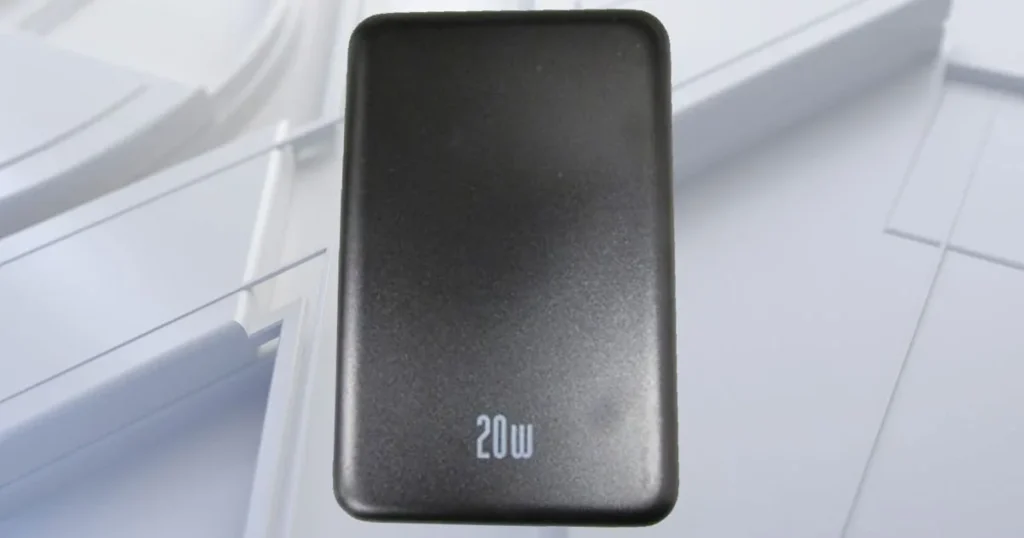
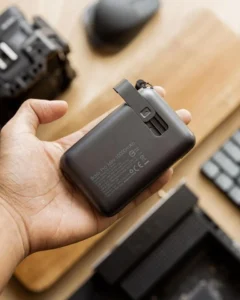
The devices were sold online through Amazon.com and Newegg.com. The CPSC says the products are black, have “20W” printed on the front and include “Model: W5 PRO” on a side label. The HAIARA brand name may appear on some purchase receipts, but not on the product itself.
Which HAIARA power banks are covered by the warning
The CPSC says the warning applies to W5 PRO power banks that do not have a date code printed on the side label. That detail matters because consumers may not see the HAIARA name clearly on the device itself, making the model label the most useful identifier.
According to the agency, the power banks were manufactured in China. The CPSC said the manufacturer has not responded to requests for a recall or for information about the product. That has left the agency relying on a public warning rather than a formal recall tied to the manufacturer.
One Amazon seller, Mitrytech, agreed to a recall, the CPSC said. Two others have not taken the same step: Geralde-US has not responded to the agency’s request, and Woot has refused to conduct a recall.
Hundreds of thermal incidents have been reported
The agency says it is aware of 600 reports involving fire, explosion and other thermal incidents. Those reports include three burn injuries and nine instances of property damage, according to the CPSC warning.
The numbers help explain why the commission is urging immediate action. Lithium-ion batteries can become dangerous quickly when they fail, and the agency is treating this product as a hazard rather than a routine defect.
In its warning, the CPSC also told consumers not to sell or give away the hazardous products. That guidance is intended to keep the devices from circulating further while the risk remains unresolved.
What owners should do right now
People who have one of the affected power banks should stop using it immediately, the CPSC says. The agency is also telling consumers not to throw the device or its lithium-ion battery into household trash, general recycling bins or the used battery collection boxes found at some retail and home-improvement stores.
Instead, the power bank should be disposed of according to local hazardous waste procedures. The CPSC says defective lithium-ion batteries must be handled differently from ordinary batteries because they carry a greater fire risk.
That means owners should check local rules before discarding the device. The goal is to prevent a damaged battery from causing a fire during transport, storage or disposal.
Why lithium-ion disposal rules are stricter than regular battery recycling
The CPSC’s instructions reflect the special risks posed by lithium-ion batteries, which are used in many portable electronics. When they fail, they can overheat, ignite or explode, creating dangers not only for the person using the device but also for workers handling waste and recycling.
Because of that risk, the agency is emphasizing that the HAIARA power bank should not be treated like a standard rechargeable battery. Even collection systems that accept ordinary batteries may not be appropriate for a defective unit linked to thermal incidents.
For consumers, the practical takeaway is simple: remove the product from service, keep it out of everyday waste streams and follow hazardous-material instructions from local authorities.
Where the warning came from and what remains unresolved
The warning comes from the U.S. Consumer Product Safety Commission, which has been monitoring reports tied to the model W5 PRO. The agency’s notice is the clearest public step so far, but it does not appear to come with a full manufacturer-led recall across all sellers.
That leaves the status of the product uneven across marketplaces. Mitrytech agreed to a recall, while the manufacturer has not responded and other sellers have not taken the same action. Consumers who bought the charger online may need to compare the label carefully against the CPSC description to see whether their unit is included.
The CPSC’s message remains direct: stop using the power bank, do not pass it along and dispose of it safely because of the fire hazard it may pose.

Leave a Reply