WASHINGTON, DC — Food recalls in the United States climbed sharply in August, with federal notices showing 26 human food recalls for the month. That was up from 18 in August 2025 and 19 in August 2024, according to recall totals cited by The New Republic and logged by the Food and Drug Administration.
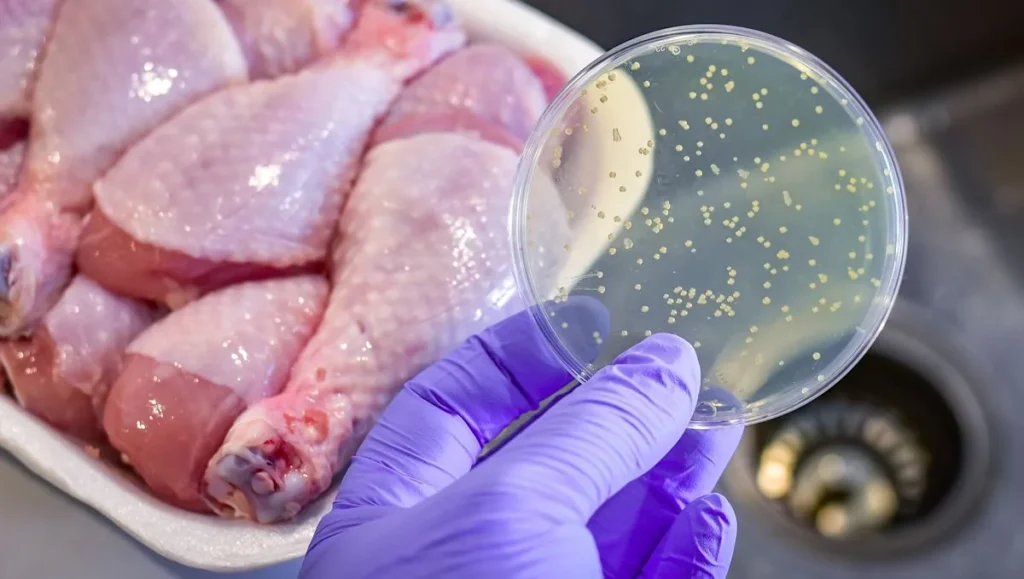
The increase was even steeper when drug recalls were counted alongside food. Total recalls reached 46 in August, showing a broad jump in federal safety alerts. Salmonella played the biggest role in the food numbers, with 12 August recalls tied to the bacteria compared with just two in July 2026.
Salmonella drove the biggest monthly jump in federal food warnings
Salmonella-related recalls rose sixfold from July to August, making it the most significant change in the month’s food-safety picture. The FDA linked 12 August recalls to salmonella, while only two such recalls were recorded in July. In August of both 2025 and 2024, there was just one salmonella-related recall each month.
The products involved were not limited to one category. They included fresh produce, pantry items, and ready-made foods sold through major retailers. The spread shows how a contamination problem in one part of the food chain can quickly reach many shelves and brands. It also means shoppers may not connect one recall notice with another, even when the underlying hazard is the same bacteria.
Mangoes, sprouts, pistachio butter, and prepared foods were among the recalled items
The August recalls covered a wide range of foods, including mangoes, radish mixes, alfalfa sprouts, jalapeños, granola, green powder products, pistachio nut butter, and several store-prepared meals. Some of the affected prepared foods were sold through retailers including Whole Foods Market and Trader Joe’s.
Separate notices also covered fruit popsicles that may contain glass, sourdough bread that may have metal fragments, and tofu with possible ink contamination. The list also included products flagged for undeclared allergens such as milk, eggs, fish, wheat, sesame, and tree nuts. Together, those notices show that food recalls are not driven by one type of problem alone.
August followed other major safety problems tied to lettuce and blueberries
The August spike did not happen in isolation. It came after other significant food-safety problems, including a deadly Cyclospora outbreak linked to Taylor Farms iceberg lettuce and frozen blueberry recalls over possible E. coli contamination. Those incidents added to a month already heavy with warnings for shoppers and food distributors.
When one ingredient is used across many products, a problem early in the supply chain can ripple outward fast. A contaminated batch can affect multiple brands, stores, and states before it is identified and removed. That is one reason food-safety events can look scattered to consumers while still being connected behind the scenes through shared ingredients or processing steps.
Why recalls matter for shoppers, especially vulnerable groups
Recalls can mean more than inconvenience. They can lead to wasted groceries, financial loss, and, in the worst cases, illness. The health risk is higher for young children, older adults, pregnant people, and anyone with a weakened immune system.
Food safety notices matter because some contaminated items may already be in home refrigerators or freezers before a warning is issued. Even products that look and smell normal can still pose a risk if they are contaminated with salmonella, Listeria, E. coli, or undeclared allergens. That makes quick identification important for anyone who has bought a recalled item.
How consumers can check whether food at home is part of a recall
Consumers are urged to compare recall notices carefully with the food they have at home. The most important details are the product name, package size, lot code, and best-by date, since recalls often apply only to specific batches rather than an entire brand line.
If a product matches a recall notice, the safest move is usually to throw it away or return it to the store, depending on the instructions in the FDA alert. It is also a good idea to clean surfaces, containers, and refrigerator drawers that may have touched the food. That step matters especially when bacteria such as salmonella, Listeria, or E. coli are involved, because cross-contamination can spread germs even after the food is gone.
The August totals show how closely food monitoring affects public health
The August numbers underline how much everyday food safety depends on monitoring, tracing, and removing risky products from shelves quickly. A single problem can trigger a chain of notices when an ingredient moves through different manufacturers or retailers before the hazard is found.
That is why a sharp monthly rise in recalls can matter even to people who do not see an immediate illness in their own home. The federal notices show how often the food system has to react when something goes wrong. They also highlight the gap between what shoppers expect to buy and what regulators sometimes have to pull back from the market.

Leave a Reply