WASHINGTON, DC — Federal food safety officials have issued a nationwide public health alert for several frozen meat and poultry products that may be dangerous for people with sesame or fish allergies. The U.S. Department of Agriculture’s Food Safety and Inspection Service said the items were mislabeled because sesame was not disclosed on the package, and one beef product also included Worcestershire sauce made with anchovies.
The alert covers three frozen products distributed through online sales by Lowlands House, with some also sold at a festival and farmers market in Greer, South Carolina. Officials said the products are no longer available for purchase, but they may still be sitting in household freezers.
Three frozen products are covered by the USDA alert
FSIS identified the affected items as Bami Rolls, Saté Kroketten and Bitterballen. The Bami Rolls were sold in six-piece vacuum-sealed packages with lot codes BR-2026-01 and BR-2026-02. The Saté Kroketten came in ten-piece packages marked with lot code SK-1026-01.
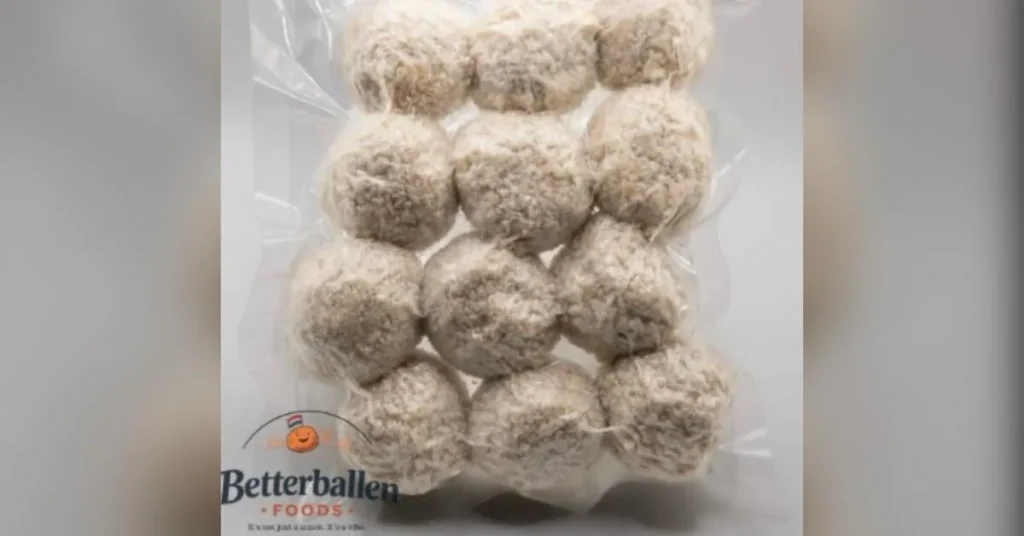
The Bitterballen were sold in twelve-piece packages with lot code BB-1026-01. All three products carry a best-by date of October 2027 and USDA establishment numbers EST. M3177 or EST. P3177. Federal officials said the products were manufactured on October 15, 16 and 27, 2026.
Because the alert involves undeclared allergens, consumers who do not have sesame or fish allergies may not face the same risk. For people with those allergies, even a small amount can trigger a serious reaction.
How the labeling problem was found during a routine FSIS review
USDA officials said the mislabeling was discovered during a routine FSIS review. The agency did not request a formal recall because the products were no longer being sold at the time the problem was identified.
That does not eliminate concern for consumers who may have already bought the items. Officials said the products may still be in freezers even though they are off the market. FSIS often uses public health alerts in cases where a recall is unnecessary but consumers still need to be warned about a possible health risk.
The agency said no confirmed allergic reactions or illnesses linked to the products had been reported as of the announcement.
Sesame and anchovies create separate allergy risks
The main concern in the alert is sesame, which was not listed on the packaging even though it was present in the frozen products. Sesame is one of the major allergens that can matter to people who must avoid it completely.
Federal officials also said one beef item contained Worcestershire sauce made with anchovies, which could expose people with fish allergies. That means the warning is not limited to sesame alone. Consumers with fish allergies may also need to check whether they have the affected beef product at home.
The USDA notice highlights why accurate labeling matters, especially for foods sold in mixed channels that include online orders and in-person events. A missing allergen statement can turn an ordinary purchase into a medical risk for allergy-sensitive consumers.
Officials say consumers should check freezers and avoid eating the products
Anyone with sesame or fish allergies is being urged to look through their freezers and avoid eating the affected products. Even though the items are no longer sold, federal officials said older purchases may still be in homes.
Consumers who believe they may have eaten one of the products and are experiencing symptoms of an allergic reaction should seek medical attention right away. Allergy reactions can vary, but the USDA warning is aimed at preventing a potentially serious emergency before it starts.
People who are unsure whether a frozen item matches the alert should compare the package type, lot code, best-by date and USDA establishment number before deciding whether it is safe.
Lowlands House products were sold online and at South Carolina events
The affected foods were distributed nationwide through online sales by Lowlands House. Officials also said some of the products may have been sold at a festival and farmers market in Greer, South Carolina.
That mix of national shipping and local in-person sales makes the alert relevant to a broad group of consumers. A shopper may have ordered the products online, bought them at a community event, or received them through another direct-sales channel.
FSIS did not say how many packages were sold. The agency’s message is centered on prevention: people with allergies should not eat the products, and anyone who has them should verify the label details carefully before handling them.

Leave a Reply