
WASHINGTON, DC — The U.S. Food and Drug Administration has given its highest-risk classification to a recall involving 365 Whole Foods Market Standardized + Full Spectrum Blend Ashwagandha Capsules after possible Salmonella contamination. The Class I designation, announced on November 12, means the agency sees a reasonable probability that using the product could cause serious health consequences or death.
The supplement had already been recalled nearly three weeks earlier, after routine sampling raised concerns about contamination. The update adds a more serious public health warning to a product marketed for stress relief, relaxation, and sleep support. No illnesses had been reported when the company first announced the recall, but consumers are being told not to use the capsules and to throw them away.
How the recall escalated from a company notice to a Class I alert
Vitality Works Inc. of Albuquerque, New Mexico, first announced the recall on October 30. The company said routine sampling identified possible Salmonella contamination in the supplement, prompting the nationwide withdrawal.
The FDA later reviewed the recall and assigned it the most serious category on November 12. Class I is the agency’s highest risk level and is reserved for situations where exposure to a product could lead to severe harm. In this case, the concern is tied to possible Salmonella contamination rather than a problem with the ingredient itself.
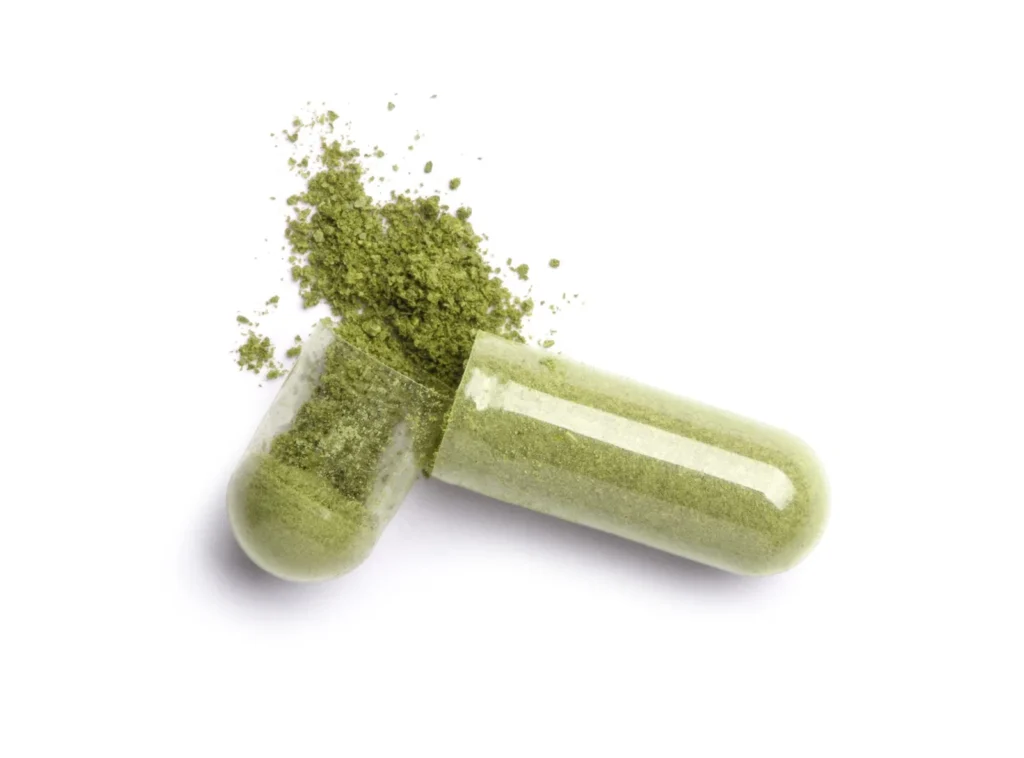
Ashwagandha is an evergreen shrub grown in India and parts of Nepal, and it is commonly sold as a natural aid for stress, relaxation, and sleep. The product’s wellness reputation helped make the recall notable, since many consumers use herbal supplements specifically because they appear to be a gentler option.
Which capsules were affected and where they were sold
The recall covers 10,176 bottles of 120-count capsules of 365 Whole Foods Market Standardized + Full Spectrum Blend Ashwagandha Capsules. According to the FDA listing, the affected product carried item number 3006661, UPC 099482520991, lot number 202526227, and expiration date 10-13-28.
Company photos showed the capsules in a white bottle with a blue label. The supplement was sold nationwide online through Amazon.com and in Whole Foods Market stores.
According to the company’s recall notice, the product was available from November 24, 2025, through October 20, 2026. That wide distribution means the recall affects customers who may have purchased the capsules in stores or through online ordering during that span.
What Salmonella exposure can mean for consumers
The FDA said the Class I designation reflects a reasonable probability of serious health consequences or death if the product is used or if someone is exposed to it. That warning is tied to the possibility of Salmonella contamination, a foodborne bacteria that can cause significant illness.
While the recall notice did not report illnesses at the time of the company’s announcement, federal officials are urging consumers to treat the warning seriously. The agency’s message is straightforward: do not use the supplement if you have it at home.
For people who bought the capsules, the concern is not limited to obvious signs of spoilage. A contaminated supplement can look normal, which is why recalls often focus on batch numbers and expiration dates rather than appearance alone. Matching the label details matters when checking whether a bottle is part of the affected lot.
What Whole Foods customers should do now
Consumers who have the recalled capsules should discard them rather than return them to the store, according to the company’s instructions. Refunds are available at any Whole Foods Market location.
The recall notice also asks people not to take the supplement even if the bottle appears unopened. Anyone who has already used the product and feels unwell should contact a health care professional.
The FDA also reminds consumers that dietary supplements are not approved before they reach the public in the same way prescription drugs are. Because of that, the agency advises talking with a doctor, nurse, registered dietitian, or pharmacist about the benefits and risks before starting any supplement.
Why the FDA urges caution before using dietary supplements
The federal warning comes with a broader reminder about how supplements are regulated. Unlike medicines that must go through premarket approval for safety and effectiveness, dietary supplements can reach store shelves without that same level of review.
That does not mean every supplement is unsafe, but it does mean consumers should be careful about product quality, labeling, and potential contamination. In this case, routine sampling caught a possible problem before illnesses were reported.
Ashwagandha has become a popular herbal option for people looking for nonprescription ways to manage stress or sleep issues. The recall shows that even products promoted as natural can carry risks when contamination is involved, which is why the FDA and the company are telling customers to stop using the affected capsules immediately.

Leave a Reply