WASHINGTON, DC — The U.S. Department of Agriculture has issued a public health alert and recall for three frozen Betterballen Foods meat and poultry products after discovering undisclosed sesame and, in one item, anchovy. The mislabeled products were sold through e-commerce channels nationwide and may pose a serious risk to people with food allergies.
USDA officials said the recalled items are not ready to eat and were produced by Betterballen Foods LLC. The concern centers on ingredients that can trigger severe or potentially life-threatening allergic reactions if they are not listed on the package. No illnesses have been reported so far.
Consumers are being asked to check packaging carefully, including lot codes and the USDA inspection mark, before deciding whether to return the products for a refund.
Which Betterballen Foods products are included in the recall
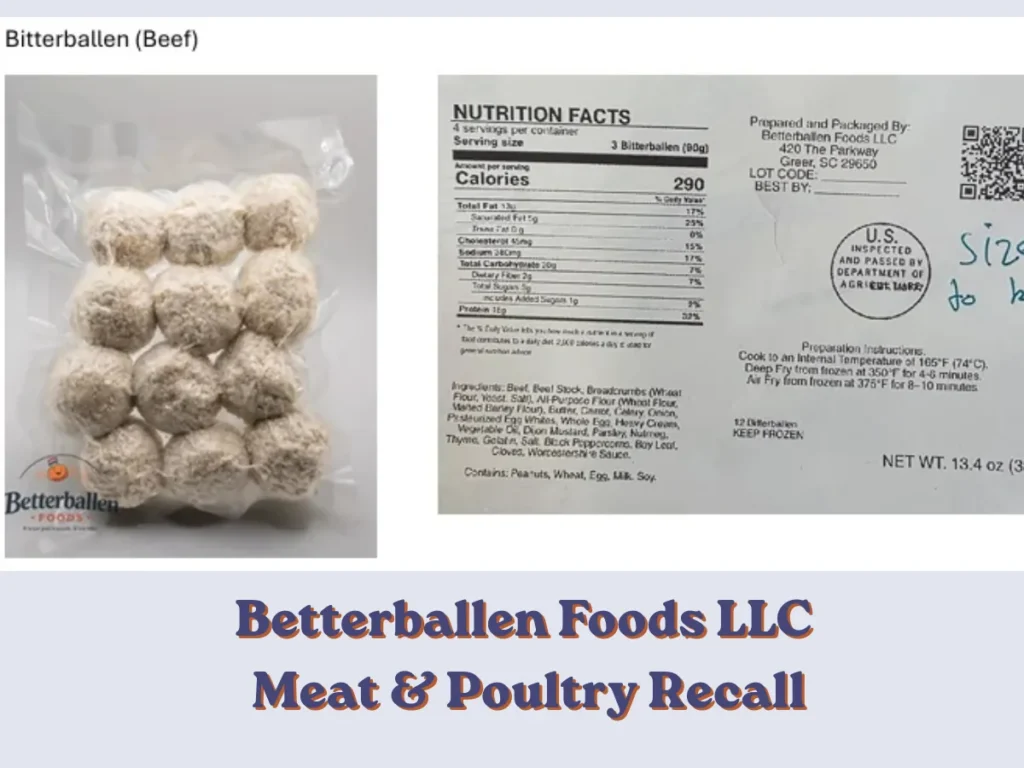
The recall covers three frozen products: Bami Rolls, Saté Kroketten and Bitterballen. According to USDA labeling information, all three contain sesame, but sesame was not disclosed on the ingredient labels.
The beef Bitterballen product carries an additional concern because it contains Worcestershire sauce made with anchovy, which also was not declared. Anchovy is a type of fish, and fish is another major allergen that must be listed when present.
The affected products were packaged in clear, vacuum-sealed bags with the Betterballen Foods brand visible. They all carry a best-by date of October 2027.
Lot codes and inspection marks buyers should check
Consumers should compare the code on their package with the lot numbers listed in the recall. The Bami Rolls affected are BR-2026-01 and BR-2026-02, the Saté Kroketten lot is SK-1026-01, and the Bitterballen lot is BB-1026-01.
USDA said the products also carry establishment number EST. M3177 or EST. P3177 inside the USDA mark of inspection. Matching both the lot code and the establishment number is the easiest way to identify an affected package.
The products are frozen and were sold in clear packaging, so the lot information should be visible on the package itself. Consumers who are unsure whether they have the recalled items should not eat them until they verify the label.
Nationwide sales reached all 50 states through online channels
USDA said the products were sold nationwide and distributed in all 50 states. The items were sold through European grocer Lowlands House, according to the agency.
There are also indications that some of the products may have been sold at a festival and a farmers’ market in Greer, South Carolina. USDA did not provide additional confirmation on those sales points in the alert.
Because the products moved through e-commerce and other retail channels, the recall is being treated as a national consumer issue rather than a localized one. That broad distribution is one reason officials are urging buyers across the country to inspect their freezers.
Why undeclared sesame and fish are a serious concern
Sesame is one of the major food allergens recognized in the United States, and fish is also a major allergen. When either ingredient is omitted from a label, people with allergies may eat something without realizing it contains a trigger.
USDA said the mislabeled products could cause serious or potentially life-threatening reactions in sensitive consumers. That risk is particularly important because the affected items are frozen and not ready to eat, which may lead buyers to store them for later use without noticing the missing allergen disclosure.
The agency issued the alert after learning of the labeling problem and the possible health consequences. So far, no adverse reactions have been reported.
How customers can return the recalled products for a refund
Betterballen Foods is advising customers to return the recalled products to the place of purchase for a full refund. The company is coordinating with USDA as the investigation continues.
Anyone with questions can contact Brian Kops at 312-340-4823 or by email at [email protected]. Consumers should have the package information handy when they reach out, especially the lot code and establishment number.
People with sesame or fish allergies should be especially careful not to consume any of the affected items. USDA’s alert is intended to help shoppers identify the products quickly and remove them from use before anyone is exposed.

Leave a Reply