
CHELSEA, MA — The U.S. Department of Agriculture says Kayem Foods Inc. is recalling 1,584,361 pounds of ready-to-eat meat and poultry products after the company found they may have been held at unsafe temperatures. The recall, announced Oct. 17 by the Food Safety and Inspection Service, covers a wide range of foods sold under several brand names, including hot dogs, bacon, deli meats and sausages.
USDA officials said the products were shipped to retail locations nationwide and also sent to Hong Kong. No illnesses have been reported so far, but the agency is warning consumers not to eat the affected items. The recall is tied to what the agency described as “temperature abuse” during storage, which can make ready-to-eat meats unsafe even if they look and smell normal.
Customer complaint led investigators to a warehouse cooler problem
The problem came to light after a customer at a retail location reported on Oct. 1 that a delivery of products felt too warm. That complaint triggered a review that ultimately pointed to inconsistent temperatures in a warehouse cooler, according to the Food Safety and Inspection Service.
Kayem Foods, based in Chelsea, Massachusetts, said the recalled items were produced between March 31 and Oct. 7, 2026. The USDA said the temperature issue affected product held in storage, not necessarily every item produced during that period. Even so, the agency determined the products could pose a safety risk and ordered them removed from commerce.
Which Kayem products are included in the recall
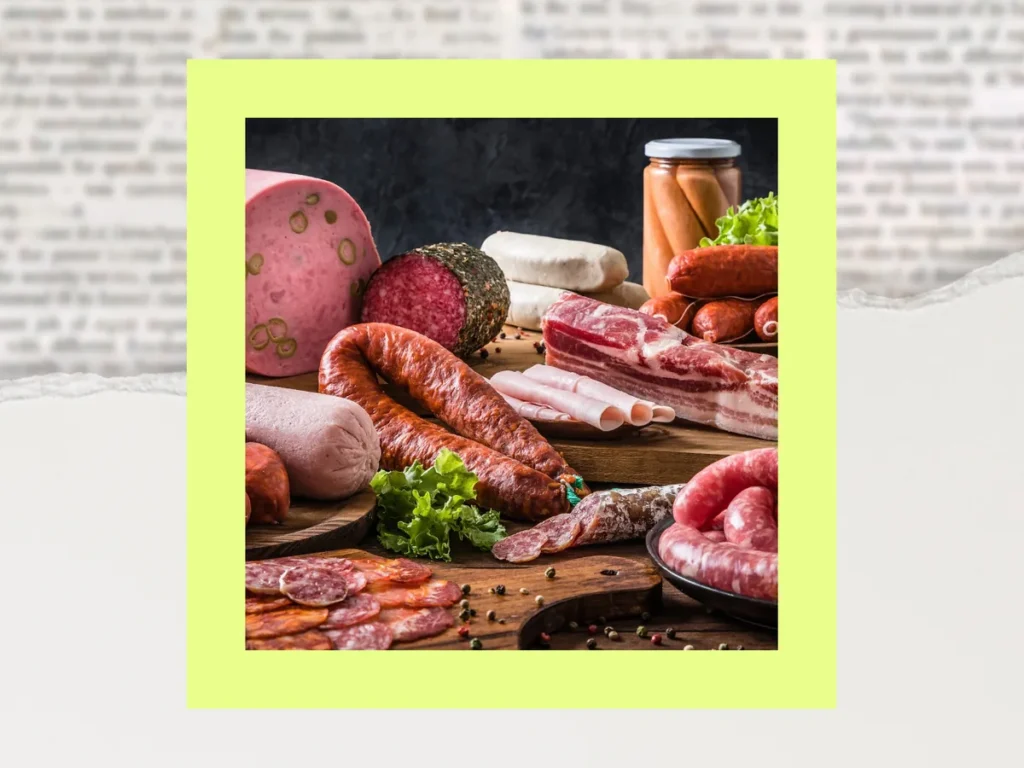
The recall reaches well beyond one category of meat. USDA says the affected products include hot dogs, bacon, deli meats such as ham, turkey, corned beef, liverwurst and bologna, along with meatballs, ham steak, brisket, chicken sausage, bratwurst and kielbasa.
Those foods were sold under a variety of brand names, including Kayem Old Tyme and Fenway Franks. Because the recall spans so many product types and labels, consumers are being urged to check packaging carefully rather than assuming only one familiar item is affected. The agency says the specific product list includes multiple UPC numbers tied to the recalled lots.
USDA classifies the recall as Level I, its most serious category
FSIS classified the action as a Level I recall, meaning the agency considers there to be a reasonable probability that eating the product could cause serious health consequences or death. That classification is used when the government views the safety concern as especially urgent, even if no illnesses have been confirmed.
Officials said there have been no reports of sickness connected with the recalled meat and poultry products at this point. Still, the agency is telling consumers to treat the recall seriously because ready-to-eat foods are meant to be eaten without additional cooking, which leaves less room for error once temperature control has been compromised.
How consumers can identify the recalled packages at home
USDA says shoppers should check the label, UPC information and the establishment number printed inside the USDA mark of inspection. The recalled products carry establishment numbers EST. M/P 7839, EST. P 20935A or EST. M 9520.
Consumers are also being told to compare any ready-to-eat meat or poultry in their refrigerators and freezers against the company’s product list. Because some items were sold under different brands and in different forms, the easiest way to verify a package is to look at the exact product name, UPC and establishment number together. If those details match, the item should not be eaten.
What to do with recalled meats and who to contact
Anyone who has the recalled products should not consume them. USDA advises throwing them away or returning them to the store where they were purchased. If a person already ate one of the products and feels unwell, the agency says they should contact a health care provider right away.
Kayem Foods customer service is available Monday through Friday from 7:30 a.m. to 4 p.m. EST at 800-426-6100. Consumers can also email [email protected] with questions about the recall. The company and USDA have not announced any additional illness reports, but the warning remains in place while shoppers check their refrigerators and pantries for affected items.

Leave a Reply