WASHINGTON, DC — The U.S. Consumer Product Safety Commission is telling consumers to stop using certain HAIARA power banks right away after receiving hundreds of reports tied to fires, explosions and other thermal incidents. The warning covers the W5 PRO model, which the agency says has been linked to burn injuries and property damage.
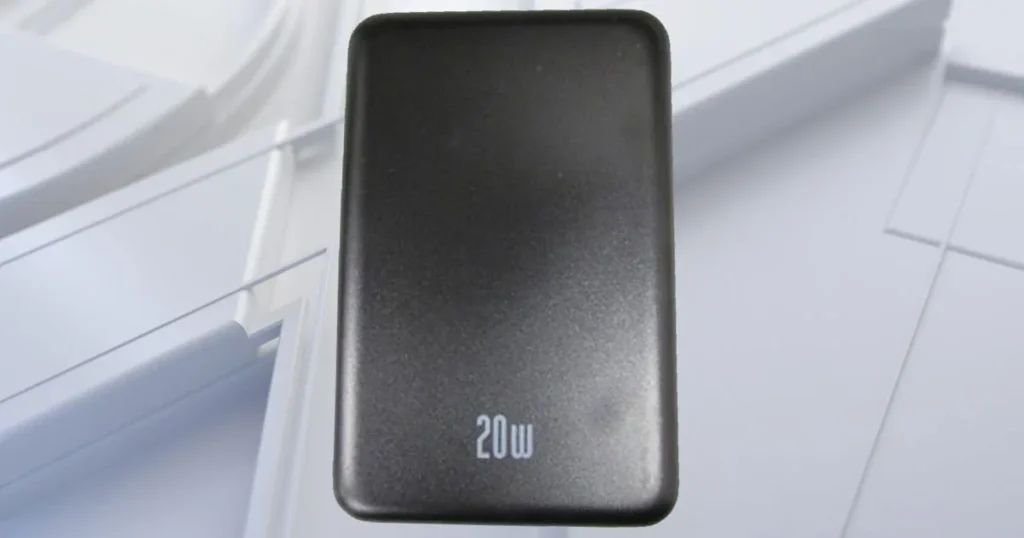
The power banks were sold online through Amazon and Newegg. The CPSC says the black devices have “20W” printed on the front, while a side label includes “Model: W5 PRO.”
How to identify the recalled HAIARA power bank
The commission says the warning applies to power banks that do not have a date code printed on the side label. That detail matters because the products may look similar to other portable chargers sold online.
According to the CPSC, the HAIARA brand name may appear on purchase receipts even if it is not printed on the device itself. The agency is directing owners to check the front and side markings before deciding whether they have the hazardous model.
The products were manufactured in China, but the manufacturer has not responded to the CPSC’s requests for a recall or for information about the devices. The agency says that adds to the concern around the product’s safety and distribution.
600 thermal incident reports raise alarm
The CPSC says it is aware of 600 reports involving fire, explosion and other thermal incidents connected to the power bank model. Those reports include three burn injuries and nine incidents of property damage.
The agency’s warning describes the devices as hazardous and says consumers should not keep using them. It also says owners should not sell the products or give them away, since doing so could spread the risk to someone else.
Among the sellers involved, Amazon seller Mitrytech agreed to a recall, according to the CPSC. Amazon seller Geralde-US has not responded to the recall request, and Amazon seller Woot has refused to conduct a recall.
What consumers should do with the battery pack now
People who have one of the affected power banks should stop using it immediately, the CPSC says. The agency recommends disposing of the device under hazardous waste procedures used in the consumer’s local area.
The warning specifically says not to throw the power bank or its lithium-ion battery into the trash. It also should not go into the regular recycling stream or into used battery collection boxes at retail and home improvement stores.
That guidance reflects the higher fire risk tied to defective lithium-ion batteries. The commission says these batteries need to be handled differently from ordinary household batteries because of the danger they can pose after damage or overheating.
Why lithium-ion batteries need special disposal
The CPSC’s advice goes beyond this single product because lithium-ion batteries can ignite if they are damaged, overheated or handled the wrong way. For that reason, the agency urges consumers to follow local hazardous waste instructions instead of trying to treat the battery like everyday trash.
In this case, the warning is aimed at a portable charger commonly used to keep phones and other devices powered while away from an outlet. The agency says the risk is serious enough that consumers should stop using the product immediately rather than wait for a formal recall notice.
Online sellers and the missing response from the maker
The CPSC says the power banks were sold through major online marketplaces, which can make them easy to buy and difficult to track once concerns emerge. That is one reason the agency is pushing a broad consumer warning now.
While one Amazon seller agreed to a recall, the manufacturer has not answered the commission’s requests for recall action or product information. Two other Amazon sellers cited by the agency have also not cooperated in the same way, leaving the CPSC to rely on its public warning to reach owners.
The commission wants consumers who recognize the model to take immediate action and keep the devices out of the resale and waste streams. The agency says the goal is to prevent more fires, injuries and damage before additional incidents occur.

Leave a Reply