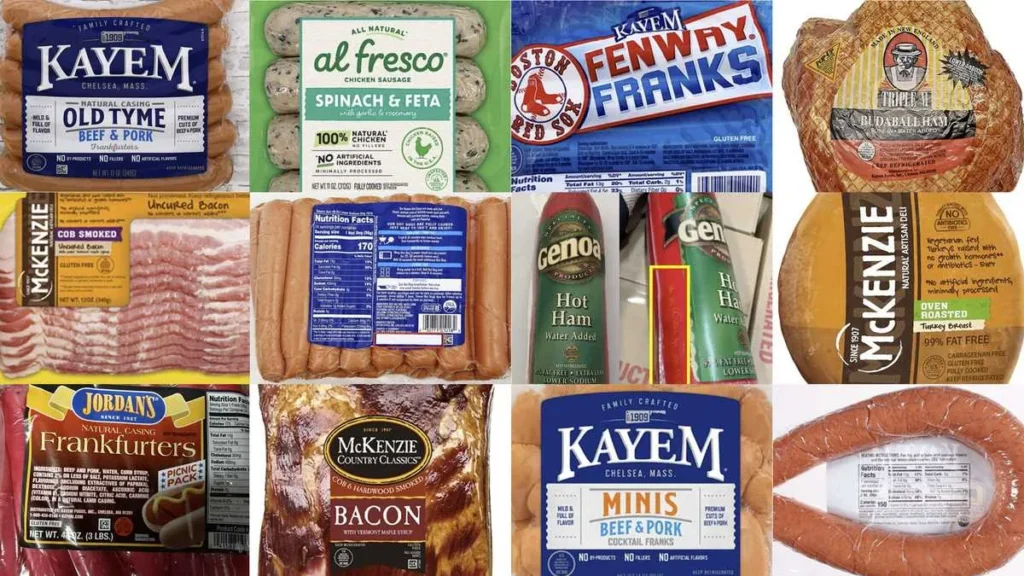


WASHINGTON, DC — More than 1.5 million pounds of ready-to-eat hot dogs, bacon, bratwursts, deli meats and other products are being recalled nationwide because they may have been held at unsafe temperatures. Kayem Foods Inc. is pulling back about 1.58 million pounds of meat and poultry products after federal officials said the items were stored under conditions that could affect food safety.
The U.S. Department of Agriculture said the products were made between March 31 and Oct. 7 at Kayem’s facility in Chelsea, Massachusetts. They were shipped to retailers and food service locations across the United States, and some also went to Hong Kong.
Warehouse cooler temperature swings triggered the recall
The company started looking into the issue after a customer reported receiving warm products on Oct. 1. That complaint led Kayem to investigate how the items had been handled after production and before delivery.
Federal officials said the company determined a warehouse cooler had experienced temperature deviations while storing the products. That raised concerns that some of the meat items may not have stayed within the safe temperature range expected for ready-to-eat foods.
The recall covers a broad mix of products, including hot dogs, bacon, deli meat and bratwursts. The USDA said the problem was tied to storage conditions rather than a known contamination event.
How consumers can identify the recalled products
Consumers are being told to check package labels carefully, since the recalled items carry one of three establishment numbers inside the USDA inspection mark: “EST. M/P 7839,” “EST. P 20935A” or “EST. M 9520.” Those codes can help shoppers match the products in their refrigerators or freezers to the recall list.
Kayem and federal officials also said product names, package labels and UPC codes are available for consumers to compare against what they bought. That information is important because the recall includes multiple meat and poultry items sold under different labels.
Some of the recalled products may still be in home refrigerators, according to the USDA, so shoppers are being urged to inspect any recently purchased ready-to-eat meats before eating them.
No illnesses have been confirmed so far
As of the recall announcement, no illnesses had been confirmed. Even so, the USDA warned that consumers should not eat any of the recalled products because of the possible safety risk linked to improper temperature control.
Officials said the affected items were distributed widely enough that people in many states may have them on hand without realizing they are part of the recall. That makes label checks especially important for anyone who buys packaged hot dogs, bacon or deli meats for quick meals.
The agency said the products were sold through retail outlets and food service channels, which broadens the number of places where they may have been distributed.
What shoppers should do with the meat products
Consumers who find the recalled items should not eat them. The USDA says the products should be thrown away or returned to the store where they were purchased.
Anyone who is worried about a possible illness should contact a health care provider. Federal officials are asking people to treat the recall seriously even though no illnesses have been reported, since food stored at unsafe temperatures can create health risks.
Because the recall covers products made over a period of more than six months, shoppers may want to check packages purchased recently as well as any items already sitting in the refrigerator or freezer.
The recalled meats were shipped across the United States and to Hong Kong
The reach of the recall extends beyond one region. Kayem Foods said the affected products were sent to retailers and food service locations nationwide, and some shipments were also exported to Hong Kong.
That distribution pattern means the recall affects a wide range of customers, from grocery shoppers to restaurants and other food service buyers. The USDA’s notice is meant to help people identify the products quickly and keep them out of meals until the issue is resolved.
For consumers, the key steps are simple: check the establishment numbers, compare labels and UPC codes, and discard or return anything that matches the recall notice. The company’s investigation began with a single customer complaint, but it resulted in a broad recall affecting millions of pounds of food.

Leave a Reply