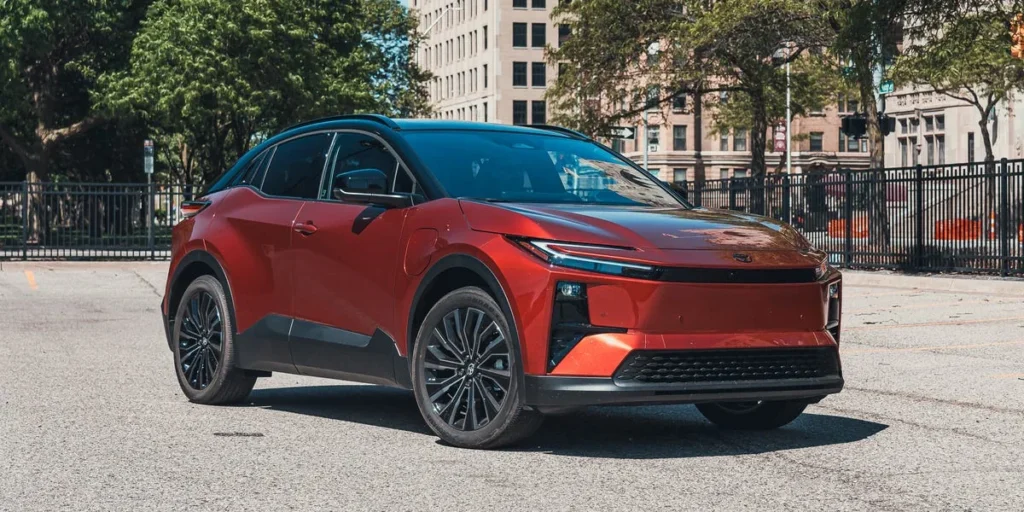

WASHINGTON, DC — Toyota is recalling about 10,000 2026 C-HR EVs across North America because a software problem can cause the vehicle to lose drive power. The automaker says the issue can happen when the battery is already highly charged and regenerative braking adds too much energy under certain conditions.
That overcharge can trigger the electric drive system to shut down, creating a loss of propulsion. Toyota says the problem can increase the risk of a crash, especially at higher speeds. Owners of affected vehicles are expected to be contacted in early November, and dealers will update the software to correct the defect.
How regenerative braking is tied to the defect
The recall centers on the C-HR EV’s regenerative braking system, which normally captures energy when the driver slows the vehicle. Toyota says the software can mismanage that process when the battery is already near full, allowing the battery to become overcharged instead of safely regulating the energy flow.
Once that happens, the vehicle’s electric drive system may shut down. That means the car can lose the ability to continue moving as expected, which is why Toyota is treating the issue as a safety matter rather than a routine service update.
Although the defect is software-based, the consequence is mechanical in effect: the car can stop delivering power to the wheels. Toyota has not said whether any crashes or injuries have been linked to the issue.
Which vehicles are covered in the recall
Toyota said the recall includes roughly 10,000 C-HR EVs in North America, all from the 2026 model year. The company has not broken out the exact number of U.S. vehicles in the recall population, but the total appears to cover nearly every C-HR EV currently on the road in the region.
The C-HR is not sold in Mexico, so the North American total appears to involve the United States and Canada. Through the end of August, Toyota had sold 6,321 C-HRs in the United States, according to the figures cited in the recall coverage, with additional sales likely in Canada.
That makes this one of the first major safety actions involving Toyota’s newest electric SUV lineup in the U.S. market.
What owners will need to do once notices go out
Toyota says owners of affected vehicles will receive notification in early November. Once contacted, drivers will need to take the C-HR EV to a Toyota dealership for the repair.
Dealers will apply a software update to the Battery Electric Vehicle Electronic Control Unit. That update is intended to prevent the regenerative braking system from overcharging the battery and causing the electric drive system to shut down.
The fix is designed to be completed through software rather than hardware replacement. Toyota has not said how long the service procedure will take, but the company has already identified dealerships as the place where the remedy will be performed.
Why the recall matters for Toyota's new EV lineup
The recall comes as Toyota has been expanding its electric SUV lineup in the United States. In 2026, the company refreshed the bZ4X and simplified the nameplate to bZ, while also introducing the bZ Woodland and the smaller C-HR.
The C-HR is a newer addition to Toyota’s U.S. EV strategy, so the recall lands early in the model’s life cycle. Safety actions at this stage can affect how quickly a new vehicle gains trust with buyers who are still evaluating the brand’s electric offerings.
Because the issue involves loss of drive power, Toyota is treating the bug as more than an inconvenience. A sudden shutdown of propulsion can be especially hazardous when traffic is moving quickly or drivers have little room to react.
NHTSA filing still pending as recall process begins
Toyota said official paperwork had not yet been filed with the National Highway Traffic Safety Administration at the time of the announcement. Even so, the company has already moved forward with the recall process and the owner-notification schedule.
The automaker has not released a broader public accounting of the defect beyond the safety statement tied to the recall. It also has not said whether it plans any separate action beyond the software update for the battery control unit.
For now, the repair plan is straightforward: owners should watch for a notice from Toyota in early November and then arrange a dealership visit so the fix can be installed.

Leave a Reply