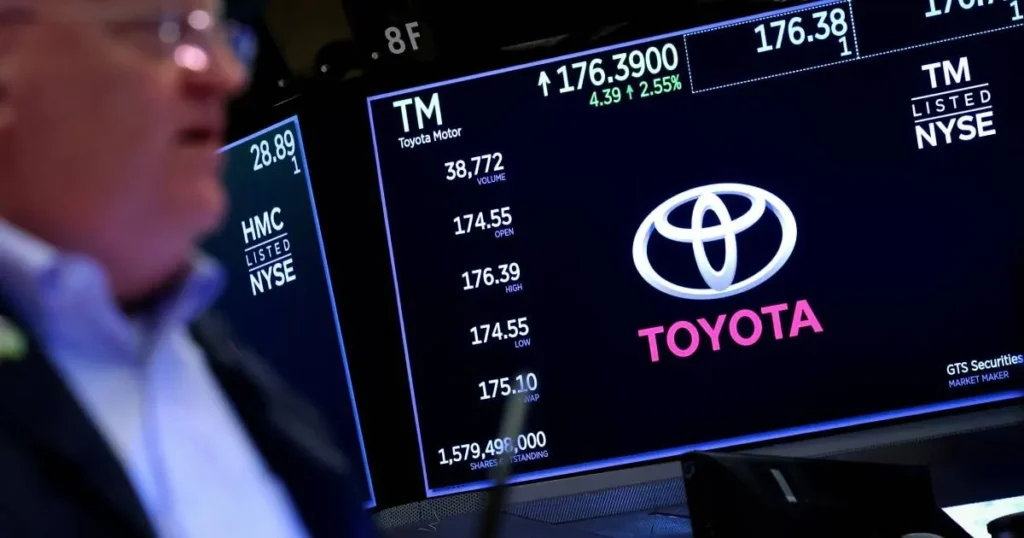
WASHINGTON, DC — Toyota Motor is recalling 314,029 vehicles in the United States because certain front passenger air bag inflators made by Takata may rupture and send metal fragments into the cabin, federal safety regulators said Thursday.
The notice from the National Highway Traffic Safety Administration covers model years 2002 through 2017 and includes a range of Toyota and Lexus vehicles. Toyota said the action is being taken out of an abundance of caution, and the automaker has not received reports of ruptures involving the inflators included in this recall.
Regulators said the inflators are near the end of their estimated safe service life, which raises the risk of failure if the passenger air bag deploys.
Which Toyota and Lexus models are included in the recall
The recalled vehicles include the Lexus SC430, IS250 and GX460, along with the Toyota Corolla, Tundra, Sequoia and 4Runner. NHTSA said the affected vehicles span a long production window, from 2002 to 2017 depending on the model.
That broad range reflects the long-running Takata air bag problem, which has affected millions of vehicles across several automakers. In this case, the concern is limited to certain front passenger inflators installed in the listed Toyota and Lexus models.
Toyota has not said that every vehicle from those nameplates is affected, only those identified in the recall campaign. Owners need to check whether their vehicle is included before seeking repairs.
Why regulators say the inflators could rupture
NHTSA said the risk comes from propellant degradation inside certain Takata front passenger air bag inflators. Over time, exposure to high humidity, high temperatures and repeated temperature cycling can weaken the inflator materials and increase the chance that they rupture during deployment.
If that happens, the air bag can still deploy, but the inflator may break apart and throw metal fragments toward occupants. That is the hazard regulators have been warning about in the Takata recall campaign for years.
Toyota said the inflators involved in this action were nearing the end of their estimated safe service life, which is why the company says replacement is necessary now.
What Toyota says about the reported risk so far
According to the NHTSA recall report, Toyota said it has received no reports of ruptures involving the inflators covered by this recall. Even so, the company is moving ahead with the campaign to reduce the chance of a future failure.
The automaker described the recall as a precautionary step rather than a response to a known injury or crash trend tied to these specific parts. That distinction matters because the action is focused on prevention, not on fixing a defect that has already caused reported incidents in this population of vehicles.
NHTSA still views the issue as serious because of the potential for metal fragments to strike people in the vehicle if the inflator ruptures during air bag deployment.
How repairs will work for affected owners
Depending on the vehicle, dealers will replace either the front passenger air bag inflator or the entire air bag assembly at no cost, NHTSA said. That means drivers will not have to pay for the recall repair.
Owners of affected Toyota and Lexus vehicles should wait for the official recall instructions and then schedule service with a dealer once their vehicle is confirmed as part of the campaign. The exact repair process may differ by model because Toyota is using more than one remedy.
For now, the key point is that the repair is free and is intended to remove the risk tied to the Takata inflators before they can fail.
What the Takata air bag crisis has meant for automakers
The Takata inflator issue has been one of the largest vehicle safety problems in the U.S. auto market, reaching multiple brands and model years over many years. The latest Toyota recall shows that the aftermath is still affecting older vehicles on American roads.
Even as newer vehicles have moved beyond the problem, older models can remain subject to recalls if they still contain affected inflators. That is why regulators continue to monitor parts tied to the Takata defect and why automakers periodically announce additional campaigns.
For Toyota owners, the immediate implication is straightforward: if the vehicle is listed in the recall, it needs to be repaired promptly once dealer notification is available.

Leave a Reply