


ORLANDO, FL — The U.S. Consumer Product Safety Commission is warning people who own certain HAIARA power banks to stop using them immediately after receiving hundreds of reports involving fire, explosions, burn injuries and property damage.
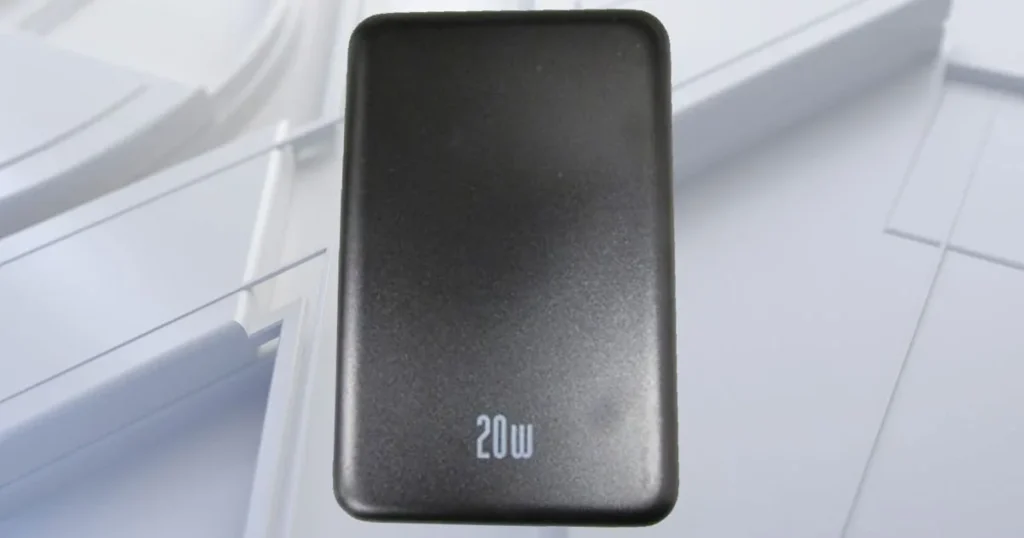
The agency’s warning applies to the HAIARA model W5 PRO, a black power bank with “20W” printed on the front and a side label that includes “Model: W5 PRO.” The product was sold online through Amazon.com and Newegg.com, and the HAIARA brand name appears on some purchase receipts even though it is not printed on the device itself.
CPSC says the units covered by the warning are the ones with no date code printed on the side label.
CPSC cites hundreds of thermal incidents and multiple injuries
The safety commission says it is aware of 600 reports tied to the power banks, including fires, explosions and other thermal incidents. Those reports also include three burn injuries and nine property damage complaints.
In its warning, the agency told consumers not to keep using the devices and not to sell them or give them away. The commission said the hazard is serious enough that owners should treat the products as unsafe even if they have not personally experienced a problem.
The warning reflects concerns about lithium-ion battery failures, which can create intense heat and raise the risk of fire very quickly.
Where the power banks were sold and how to identify them
The CPSC says the power banks were sold online through Amazon and Newegg, making the warning relevant to buyers across the United States. Because the HAIARA name may appear only on purchase records, not the product itself, consumers are being told to check the physical device carefully.
The units are black, marked with “20W” on the front, and include a side label that lists “Model: W5 PRO.” CPSC says the warning specifically covers models without a date code on that side label.
Anyone who bought a similar power bank online is being urged to compare those details before continuing to use it.
Manufacturer and sellers have not all cooperated with recall requests
The products were manufactured in China, according to the CPSC. The agency says the manufacturer has not responded to its requests for a recall or for information about the power bank.
CPSC also identified several Amazon sellers connected to the product. One seller, Mitrytech, agreed to a recall. Another seller, Geralde-US, has not responded to the commission’s recall request. Amazon seller Woot has refused to conduct a recall, the agency said.
Those differing responses leave consumers with a warning instead of a full recall, but the safety guidance from CPSC remains the same: stop using the device now.
How owners should dispose of the battery safely
Consumers who have one of the affected power banks should not place it in household trash, general recycling or the used battery collection boxes often found at retail and home improvement stores. The commission says defective lithium-ion batteries must be handled differently because they pose a greater fire risk.
Instead, the agency advises disposal under local hazardous waste procedures. That means checking the rules in your area before moving or discarding the device, since communities can have different drop-off and handling requirements.
The guidance is meant to reduce the chance of a battery igniting after it has been thrown away or stored with other items.
What the CPSC warning means for shoppers now
The commission’s warning is a reminder that small consumer electronics can become dangerous when lithium-ion batteries fail. For shoppers, that means checking whether a recently purchased power bank matches the model description, the printed “20W” marking and the side label information.
People who find a match should stop charging or using the device right away and follow hazardous waste disposal rules rather than waiting for the issue to resolve on its own. The CPSC’s public alert is intended to reach owners quickly while the recall process remains incomplete.
Consumers who are unsure whether their device is included can review the warning details from the commission and compare them with the product in hand before deciding what to do next.

Leave a Reply