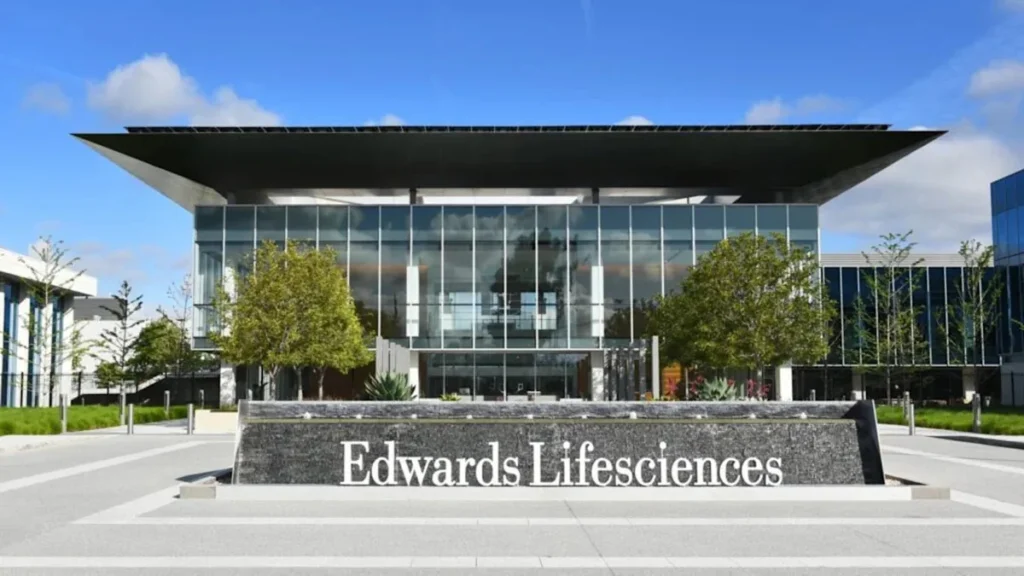

WASHINGTON, DC — The U.S. Food and Drug Administration has issued a high-risk early alert tied to a recall at Edwards Lifesciences Corp. after reports that balloons burst during procedures using its Commander M delivery systems. The problem has been linked to one death and one serious injury.
The devices are used to deliver a replacement mitral heart valve through blood vessels, which can avoid open-chest surgery. Edwards Lifesciences said it recalled specific lots after receiving three separate reports of balloon failures during inflation.
Why the Commander M delivery system matters in mitral valve replacement
The Commander M delivery system plays a key role in transcatheter mitral valve procedures. It helps doctors place a replacement valve into position without opening the chest, an approach often used for patients who are not good candidates for conventional surgery.
That makes any device failure especially serious. When a balloon bursts inside the body, it can cause embolisms or leave the device trapped inside the guide sheath. In some cases, removing the stuck equipment requires another procedure, adding risk for patients who may already be medically fragile.
Because the people receiving these valves are often considered unsuitable for surgery, the FDA said these complications can lead to death or major harm. That is the reason the agency categorized the issue as high risk.
Three balloon burst reports triggered the recall review
Edwards Lifesciences said it identified three separate reports of balloon bursts during procedures involving the affected delivery systems. One of those cases ended in a patient death, while another caused a serious injury. The company did not report additional details about the patients involved.
The recall covers only certain lots of the Commander M delivery systems. According to Edwards, other lot numbers are not included in the action and remain safe to use. The company’s recall notice focused on the specific products tied to the balloon failure reports.
Medical device recalls can be issued before a broader pattern is established when the risk to patients is severe. In this case, the combination of procedural use, the possibility of device entrapment and the reported harm led to rapid action by both the company and the FDA.
Hospitals were told to stop using the affected lots on October 5
Edwards Lifesciences instructed customers on October 5 to stop using the impacted lots immediately. Facilities were told to locate the recalled products in their inventory and remove them from circulation as soon as possible.
The company also told clinical staff to work with its representatives to return the affected products. That kind of return process is standard in medical device recalls and is meant to keep the units from being used in future procedures.
Hospitals and surgical teams using mitral valve delivery systems must now check whether they have any of the recalled lots on hand. The FDA alert was intended to reinforce that the problem is limited to the identified products, while not affecting the rest of Edwards’ Commander M inventory.
How the failure could complicate an already delicate procedure
A balloon burst during valve delivery can do more than interrupt a procedure. It can also create a mechanical hazard inside the patient’s body, including the risk that the device becomes lodged in the guide sheath or contributes to an embolism.
Those complications may force doctors to perform additional interventions to remove the stuck equipment. For patients who were already deemed too risky for surgery, that added step can be especially dangerous.
The FDA’s warning underscores the seriousness of the issue for interventional heart teams. Even a small number of failures can matter when the device is used in a procedure designed specifically for patients with limited treatment options.
Edwards Lifesciences shares slipped after the FDA alert
Edwards Lifesciences shares were down 0.86% at $87.34 at the time of publication, according to Benzinga Pro data. The market move came after the FDA alert and recall announcement drew attention to the potential safety impact.
The company did not indicate that the recall extends beyond the specific lots tied to the balloon burst reports. Customers with other lot numbers were told those products are not affected.
The FDA and Edwards Lifesciences have not added new public details about the death or the serious injury beyond what was included in the recall notice. The main instruction to hospitals remains simple: identify the impacted lots, stop using them and return them through the company’s recall process.

Leave a Reply