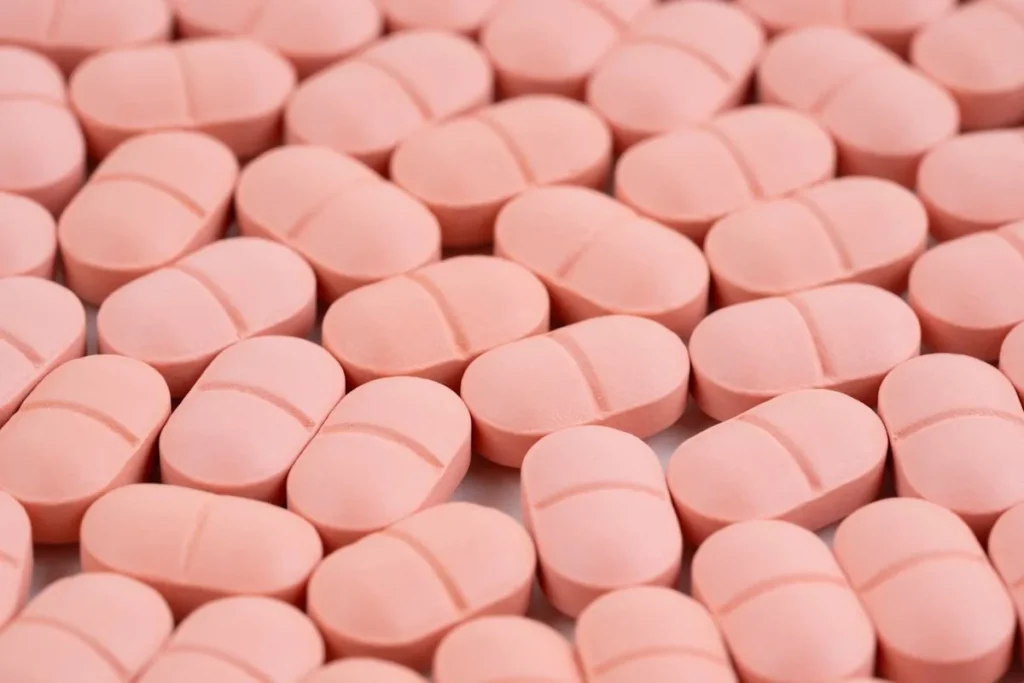

WASHINGTON, DC — The U.S. Food and Drug Administration says Macleods Pharma USA, Inc. is recalling 3,744 bottles of a three-in-one blood pressure medication sold nationwide after the tablets failed dissolution specifications. The product combines olmesartan medoxomil, amlodipine, and hydrochlorothiazide, a mix commonly used to help lower blood pressure in patients who need more than one medicine.
The FDA said the recall was classified as Class II on Oct. 26. That designation means the drug may cause temporary health consequences, but the chance of a serious health problem is considered remote.
The agency’s notice points to a quality issue that could affect how the tablets dissolve and, in turn, how the body absorbs the medication. No press release or specific consumer guidance from Macleods Pharma was included in the FDA notice.
Which bottles are included in the recall and how to identify them
The recall covers two bottle sizes of the same tablet strength, both labeled as olmesartan medoxomil, amlodipine, and hydrochlorothiazide tablets at 40 mg/10 mg/12.5 mg. One version comes in a 30-count bottle, and the other comes in a 90-count bottle.
Consumers and pharmacies can match the recalled product using the National Drug Code, lot number, and expiration date listed in the FDA notice. The 30-count bottle carries NDC 33342-246-07, lot number 12251163A, and an expiration date of May 31, 2027.
The 90-count bottle is labeled NDC 33342-246-10, lot number 12251163B, with the same expiration date of May 31, 2027. The FDA said the recall is nationwide, so the affected bottles may be found in multiple states.
Why dissolution testing matters for a combination blood pressure pill
Dissolution testing checks whether a tablet breaks down properly in the body. If a pill does not dissolve as expected, it may not deliver the amount of medicine patients and doctors anticipate.
That issue is especially relevant for a combination blood pressure drug, because each component plays a different role. Olmesartan and amlodipine help relax blood vessels, while hydrochlorothiazide is a diuretic that helps the body remove excess salt and water.
When a tablet fails that type of testing, the concern is not necessarily immediate toxicity. Instead, the bigger question is whether the medicine will work the way it should once swallowed.
What the FDA says about Class II recalls and patient use
The FDA describes a Class II recall as one involving a drug that may lead to temporary health consequences, with a serious medical outcome considered unlikely. That classification places this recall below the most urgent category used by the agency.
In general, the FDA says patients can often keep taking medications that are part of a Class II recall. Still, the agency advises people to confirm with a doctor or pharmacist before making any changes to treatment.
That advice matters because blood pressure medication should not be stopped without medical guidance. Patients who have this product in their medicine cabinet should verify the lot number and NDC before deciding what to do next.
A recent string of blood pressure medicine recalls
This recall is the latest in a series of recent actions involving blood pressure drugs. In September, another recall involved 13,000 bottles of chlorthalidone, a separate hypertension medication.
An October recall also affected more than 21,000 bottles of a different combination blood pressure pill. Together, the actions highlight how manufacturing or testing problems can affect multiple products in the same treatment category over a short period of time.
For patients, that can mean paying closer attention to bottle labels, lot numbers, and pharmacy instructions. It also underscores the role of routine quality checks in keeping prescription drugs on the market.
What patients and pharmacies should do next
Macleods Pharma had not issued its own press release or consumer instructions in the FDA notice. That leaves the agency’s recall details as the main public guidance for identifying affected bottles.
People who use this medication should compare the label on their bottle with the recalled NDCs and lot numbers. Pharmacies that stock the product can also use the FDA information to separate affected inventory from unaffected supply.
Because the recall is nationwide, the product may have reached patients across the country. Anyone uncertain about whether a bottle is included should contact a pharmacist or prescribing doctor before taking the next dose.

Leave a Reply