WASHINGTON, DC — Health officials have classified a nationwide recall of blood pressure medicine after tests showed that two lots may not dissolve properly, raising concern that the drug could be less effective for some patients. The action involves a combination tablet used to treat hypertension and was first started voluntarily by Macleods Pharmaceuticals on Oct. 7.
The Food and Drug Administration later updated the recall to a Class II action on Oct. 26. That designation means use of the affected product could lead to temporary or medically reversible health consequences, while the chance of serious harm is considered remote.
According to the company, the problem involves the olmesartan component in the tablets. The concern is not that the medicine is unsafe to take in the usual sense, but that it may not deliver the expected blood pressure control.
Testing found the olmesartan component failed dissolution standards
Macleods Pharmaceuticals said internal testing found that the olmesartan in two lots did not meet required dissolution standards. Dissolution testing checks how well a medication breaks down and absorbs in the body, which helps determine whether it will work the way it should.
When a drug does not dissolve as expected, patients may receive less of the active ingredient than intended. In this case, the manufacturer said the reduced absorption rate could potentially lead to a temporary loss of blood pressure control.
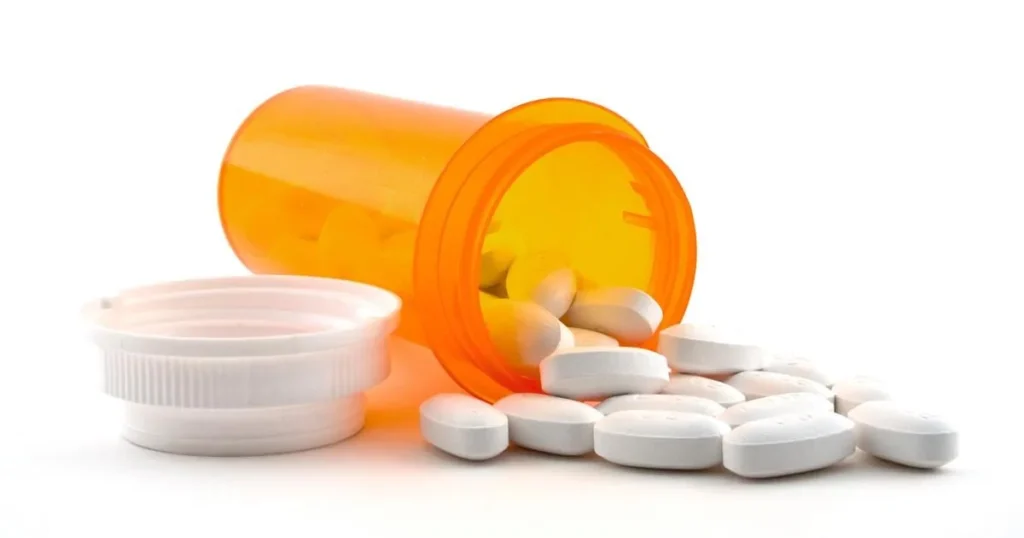
The recalled product combines olmesartan medoxomil, amlodipine, and hydrochlorothiazide. It is routinely prescribed to help manage hypertension, making consistent delivery of each ingredient important for patients who rely on it every day.
3,744 bottles distributed nationwide are included in the recall
The recall covers 3,744 bottles that were distributed across the country between Nov. 21 and April 27, according to the FDA. Both 30-count and 90-count bottle sizes are included in the action.
The affected 30-count bottles are labeled as Olmesartan Medoxomil, Amlodipine, and Hydrochlorothiazide Tablets 40 mg/10 mg/12.5 mg, NDC 33342-246-07, lot number 12251163A, with an expiration date of 05/31/2027.
The affected 90-count bottles carry the same strength and product name, with NDC 33342-246-10, lot number 12251163B, and the same expiration date of 05/31/2027. The recall applies only to those specified lots.
What a Class II recall means for patients using the medicine
The FDA says a Class II recall applies when use of a violative product may cause temporary or medically reversible adverse health consequences, or when the chance of serious adverse effects is remote. That classification suggests the main concern is reduced effectiveness rather than an immediate life-threatening problem.
For patients taking the medicine, the practical issue is whether blood pressure remains controlled while using the affected lots. The manufacturer said the compromised absorption rate could lead to a temporary loss of control, which could matter for people who depend on steady treatment.
Patients who have bottles from the recalled lots typically need to check the label information on the container, including the lot number and package size, to see whether their medication is included.
Olmesartan, amlodipine and hydrochlorothiazide are common hypertension treatments
The recalled medication is a combination therapy widely used to treat high blood pressure. Olmesartan helps relax blood vessels, amlodipine also supports blood vessel relaxation, and hydrochlorothiazide is a diuretic that helps the body remove excess fluid.
Because the tablets combine three ingredients, the overall effect depends on each component performing as expected. The concern identified by the manufacturer focused on olmesartan, but the tablets themselves are a three-drug product prescribed for hypertension management.
That makes the recall relevant to patients already using combination therapy to control blood pressure. Even a temporary dip in effectiveness can be important for people whose readings are managed closely by a doctor.
FDA notice links the recall to temporary or reversible health risk
The FDA’s classification underscores that the recall was prompted by quality concerns rather than contamination or a defect that would necessarily cause immediate injury. The agency’s description of a Class II recall points to outcomes that are usually temporary or medically reversible.
Still, the issue matters because high blood pressure can rise without obvious warning signs. If a medication does not work as expected, a patient may not notice the problem until a blood pressure check reveals it.
For that reason, recalls involving common hypertension drugs are closely watched by both doctors and patients. In this case, the concern is specific to the listed lots and package sizes, but the distribution was nationwide.

Leave a Reply